Hey there! As a supplier of concrete superplasticizers, I often get asked about the environmental impacts of using these nifty little additives. So, I thought I'd take a deep dive into the topic and share what I've learned.
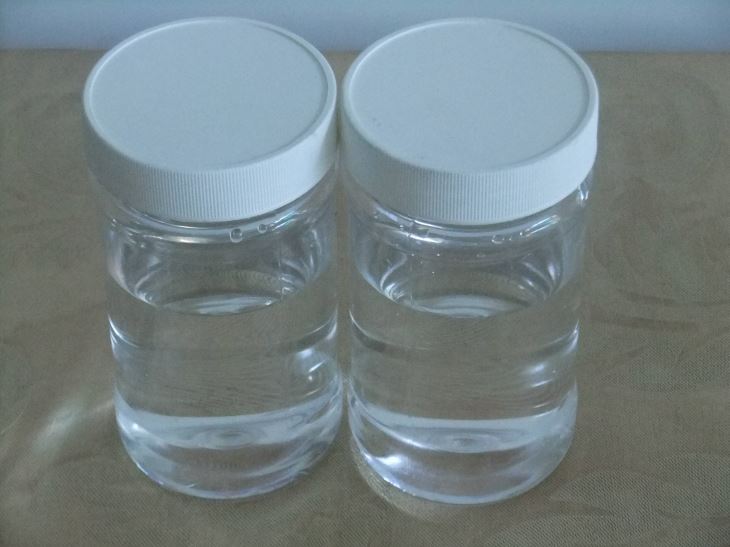
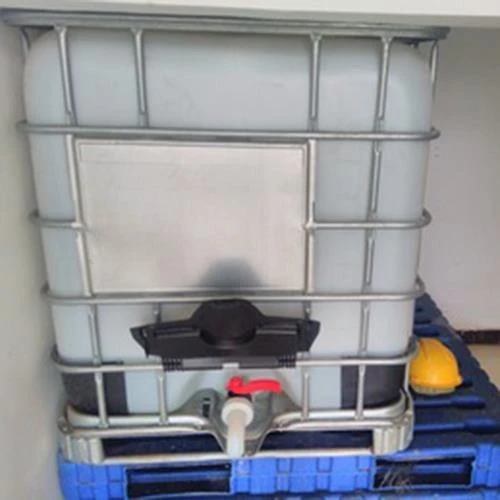
First off, let's talk about what concrete superplasticizers are. These are chemical admixtures that are added to concrete to improve its workability without increasing the water content. In simpler terms, they make the concrete easier to pour, spread, and shape, which can save a lot of time and labor on construction sites. There are different types of superplasticizers, but some of the popular ones include Concrete Admixture Polycarboxylic Based Superplasticizer, Concrete Admixture Polycarboxylate, and Concrete Admixture Polycarboxylate Superplasticizer.
Now, let's get to the main question: are there any environmental impacts of using concrete superplasticizers? Well, the answer is a bit complicated. On one hand, superplasticizers can actually have some positive environmental effects.
Positive Environmental Impacts
Reduced Water Usage
One of the biggest benefits of using superplasticizers is that they allow you to reduce the amount of water in the concrete mix. Water is a precious resource, and in the construction industry, large amounts of it are used in concrete production. By using a superplasticizer, you can achieve the same workability with less water. This not only conserves water but also has other downstream benefits.
When you reduce the water content in concrete, you can improve its strength and durability. This means that the concrete structures will last longer, reducing the need for frequent repairs and replacements. In the long run, this saves resources and energy that would otherwise be used in the construction and demolition processes.
Lower Carbon Footprint
Concrete production is a major contributor to carbon dioxide emissions. A significant portion of these emissions comes from the production of cement, which is a key ingredient in concrete. By using superplasticizers, you can potentially reduce the amount of cement needed in a concrete mix.
Since superplasticizers improve the workability of the concrete, you can often achieve the desired strength and performance with a lower cement content. Cement production is energy - intensive and releases large amounts of CO2 into the atmosphere. So, by reducing the cement usage, you're effectively reducing the carbon footprint of the concrete.
Energy Savings
The use of superplasticizers can also lead to energy savings during the construction process. Easier - to - work - with concrete means less energy is required for mixing, transporting, and placing the concrete. For example, less mechanical agitation is needed to achieve a homogeneous mix, and it's easier to pump the concrete to the desired location. This all adds up to reduced energy consumption on the construction site.
Negative Environmental Impacts
Chemical Composition
While superplasticizers offer many benefits, they are also chemical compounds, and some of their components can have negative environmental impacts. For example, some older - generation superplasticizers contained substances like formaldehyde and naphthalene sulfonates. Formaldehyde is a known carcinogen, and naphthalene sulfonates can be toxic to aquatic life.
However, modern superplasticizers, especially polycarboxylate - based ones, are generally considered to be more environmentally friendly. They have a lower toxicity and are designed to break down more easily in the environment. But it's still important to handle and dispose of them properly to minimize any potential negative effects.
Production Process
The production of superplasticizers also has an environmental footprint. The manufacturing process requires energy and raw materials, and there may be emissions associated with it. Additionally, the extraction of the raw materials used in superplasticizer production can have environmental impacts, such as habitat destruction and water pollution.
Mitigating the Negative Impacts
As a supplier, we're constantly working to minimize the negative environmental impacts of our products. We focus on using more sustainable raw materials in the production of our superplasticizers. For example, we're exploring the use of bio - based polymers that can be derived from renewable resources.
We also ensure that our manufacturing processes are as energy - efficient as possible. We invest in modern equipment and technologies that reduce energy consumption and emissions. And when it comes to product disposal, we provide clear guidelines to our customers on how to handle and dispose of the superplasticizers safely and responsibly.
Conclusion
So, to sum it up, the use of concrete superplasticizers has both positive and negative environmental impacts. On the plus side, they can help conserve water, reduce the carbon footprint, and save energy during the construction process. On the negative side, there are concerns about their chemical composition and the environmental impacts of their production.
But overall, I believe that the benefits outweigh the drawbacks, especially when using modern, environmentally friendly superplasticizers. As the construction industry continues to strive for more sustainable practices, superplasticizers can play an important role in achieving those goals.
If you're in the market for high - quality, environmentally friendly concrete superplasticizers, I'd love to have a chat with you. Whether you're a contractor, an engineer, or involved in any concrete - related project, we can provide you with the right product to meet your needs. Let's work together to build a more sustainable future with concrete.
References
- Neville, A. M. (2011). Properties of Concrete. Pearson Education.
- Mehta, P. K., & Monteiro, P. J. M. (2013). Concrete: Microstructure, Properties, and Materials. McGraw - Hill Education.