In the realm of modern construction, concrete serves as the cornerstone for a vast array of structures. Among these, marine concrete is particularly crucial due to the harsh and corrosive environment it endures. As a leading provider of Polycarboxylate Polymer Powder, I am frequently asked whether our product can be used in marine concrete. This blog post aims to explore this question comprehensively, examining the science behind it, the benefits, and potential challenges.
Understanding Polycarboxylate Polymer Powder
Polycarboxylate polymers are a class of high - performance water - reducing agents. Polycarboxylate Polymers have unique molecular structures that allow them to adsorb onto the surface of cement particles. This adsorption creates a repulsive force between the particles, preventing them from agglomerating and thus improving the workability of the concrete mix.
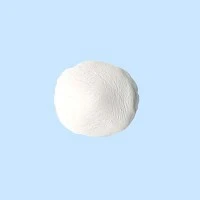
Our Polycarboxylate Polymer Powder is derived from Monomer For Polycarboxylate Superplasticizer PCE. These monomers are carefully selected and polymerized to form a powder that can be easily incorporated into concrete mixtures. The powder form offers several advantages, including easy storage, transportation, and dosing.
The Demands of Marine Concrete
Marine concrete is exposed to a variety of aggressive conditions, such as high salinity, wave action, and cyclic wetting and drying. These factors can lead to corrosion of the reinforcement steel, cracking, and spalling of the concrete. To withstand these conditions, marine concrete requires high durability, low permeability, and good resistance to chemical attack.


Can Polycarboxylate Polymer Powder be Used in Marine Concrete?
The answer is a resounding yes. Polycarboxylate Polymer Powder can bring several benefits to marine concrete:
1. Improved Workability
In marine construction, concrete often needs to be pumped over long distances or placed in complex forms. The addition of Polycarboxylate Polymer Powder can significantly improve the workability of the concrete mix. It allows the concrete to flow more easily without sacrificing its strength, which is essential for ensuring proper placement and compaction in marine structures.
2. Reduced Water - Cement Ratio
One of the key factors in enhancing the durability of marine concrete is reducing the water - cement ratio. Polycarboxylate Polymer Powder acts as a superplasticizer, enabling a significant reduction in the amount of water required while maintaining the desired workability. A lower water - cement ratio results in a denser concrete structure, which in turn reduces the permeability of the concrete. This is crucial for preventing the ingress of chloride ions, which are the primary cause of corrosion in marine environments.
3. Enhanced Chemical Resistance
The unique chemical structure of Polycarboxylate polymers provides some degree of chemical resistance. By reducing the porosity of the concrete, it helps to protect the concrete matrix and the reinforcement steel from the aggressive chemicals present in seawater, such as sulfates and chlorides.
4. Higher Early - Strength Development
In marine construction, early - strength development is often desirable to allow for faster construction progress and to withstand the early loading conditions. Polycarboxylate Polymer Powder can accelerate the hydration process of cement, leading to higher early - strength development in the concrete. This is particularly beneficial in situations where formwork needs to be removed quickly or when the structure needs to be put into service rapidly.
Potential Challenges and Mitigation Strategies
While Polycarboxylate Polymer Powder offers many advantages for marine concrete, there are also some potential challenges that need to be addressed:
1. Compatibility with Other Admixtures
In marine concrete, it is common to use multiple admixtures to achieve the desired properties. Polycarboxylate Polymer Powder may interact with other admixtures, such as air - entraining agents or retarders. It is essential to conduct thorough compatibility tests to ensure that the combination of admixtures does not have a negative impact on the performance of the concrete.
2. Sensitivity to Raw Materials
The performance of Polycarboxylate Polymer Powder can be affected by the quality and characteristics of the raw materials used in the concrete, such as cement, aggregates, and water. Variations in the chemical composition or fineness of the cement, for example, can influence the adsorption and dispersion of the polymer powder. To mitigate this, strict quality control measures should be implemented during the selection and testing of raw materials.
Real - World Applications
Many marine construction projects around the world have successfully used Polycarboxylate Polymer Powder in their concrete mixes. For example, in the construction of port jetties, bridges over the sea, and offshore platforms, the use of this powder has contributed to the long - term durability and performance of the structures. By reducing the permeability and improving the workability of the concrete, Polycarboxylate Polymer Powder has helped to extend the service life of these marine structures and reduce maintenance costs.
Conclusion
In conclusion, Polycarboxylate Polymer Powder is a valuable addition to marine concrete. Its ability to improve workability, reduce water - cement ratio, enhance chemical resistance, and promote early - strength development makes it an ideal choice for marine construction projects. While there are some potential challenges, these can be effectively managed through proper testing and quality control.
If you are involved in a marine construction project or are interested in improving the performance of your concrete, I encourage you to consider our Polycarboxylate Polymer Powder. We are committed to providing high - quality products and excellent technical support. Whether you need more detailed product information or want to discuss how our powder can be tailored to your specific needs, please don't hesitate to reach out. You can find more about our Polycarboxylate Superplasticizer for Construction on our website. Let's start a conversation about how we can collaborate to achieve your construction goals.
References
- Neville, A. M. (2011). Properties of Concrete. Pearson.
- Mehta, P. K., & Monteiro, P. J. M. (2013). Concrete: Microstructure, Properties, and Materials. McGraw - Hill.