Hey there! As a supplier of concrete admixtures, I often get asked how these modern marvels stack up against traditional concrete additives. Well, let's dive right in and break it down.
The Basics of Concrete Additives and Admixtures
First off, let's clarify what we're talking about. Traditional concrete additives have been around for ages. They include things like fly ash, slag, and silica fume. These additives are usually added to the concrete mix at the batching plant. They're primarily used to improve the workability of the concrete, reduce its cost, or enhance its durability over time.
On the other hand, concrete admixtures are a more recent innovation. They're chemical substances added to the concrete either before or during mixing to modify its properties in various ways. As a supplier, I deal with all sorts of admixtures, from water - reducers to superplasticizers.
Workability
When it comes to workability, traditional additives and modern admixtures have different approaches. Traditional additives like fly ash can improve workability by acting as a filler. The fine particles of fly ash fill the voids between the larger aggregates in the concrete, making the mix more fluid and easier to place. However, the effect can be a bit inconsistent, as the quality of fly ash can vary depending on its source.
Concrete admixtures, especially Concrete Admixture Polycarboxylic Based Superplasticizer, offer a much more precise control over workability. These superplasticizers disperse the cement particles, preventing them from clumping together. This results in a highly fluid concrete mix that can be easily pumped or placed in hard - to - reach areas. You can adjust the dosage of the superplasticizer to get the exact level of workability you need, whether it's for a large - scale high - rise building or a small residential project.
Strength and Durability
Traditional additives can enhance the long - term strength and durability of concrete. For example, slag can react with the calcium hydroxide produced during the cement hydration process, forming additional cementitious compounds. This can lead to a denser concrete structure, which is more resistant to cracking and chemical attacks. However, the strength gain with traditional additives can be relatively slow, especially in the early stages.
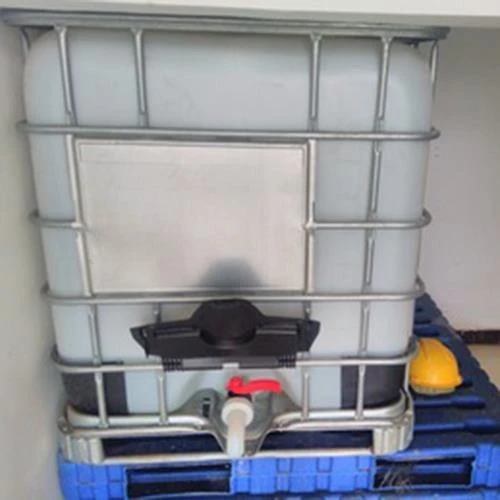

Concrete admixtures, such as Concrete Water Reducer, can significantly improve both early and long - term strength. By reducing the amount of water needed in the concrete mix, water reducers increase the cement - to - water ratio. A lower water - cement ratio means a stronger and more durable concrete. Some admixtures also contain chemicals that can protect the concrete from corrosion, freeze - thaw cycles, and other environmental factors.
Setting Time
Setting time is another crucial factor in concrete construction. Traditional additives may have limited influence on setting time. Fly ash, for example, can slightly retard the setting of concrete, but this effect is not very controllable.
Concrete admixtures, on the other hand, offer a wide range of options for controlling setting time. There are retarders that can slow down the setting process, which is useful in hot weather or for large - volume pours. And there are accelerators that can speed up the setting, allowing for faster construction schedules. This level of control is a huge advantage, as it gives contractors more flexibility in different construction scenarios.
Cost - Effectiveness
In terms of cost, traditional additives are often seen as a more economical option. Fly ash and slag are by - products of other industries, so they're relatively inexpensive. However, the cost savings may be offset by the need for larger quantities to achieve the desired effects, and the potential for inconsistent quality.
Concrete admixtures may seem more expensive at first glance. But when you consider the benefits they offer, such as improved workability, strength, and setting time control, they can actually be more cost - effective in the long run. For example, using a superplasticizer can reduce the amount of cement needed in the mix, which can lead to significant cost savings. And the ability to speed up construction schedules can also translate into lower labor and equipment costs.
Environmental Impact
Traditional additives like fly ash and slag are considered more environmentally friendly because they recycle industrial waste. Using these additives reduces the amount of waste going to landfills and also reduces the demand for new raw materials.
Concrete admixtures also have their environmental benefits. For example, Concrete Admixture Polycarboxylic Ether Polymer - based superplasticizers can improve the overall performance of concrete, which means less concrete is needed for a given project. This can reduce the carbon footprint associated with concrete production, as cement manufacturing is a major source of greenhouse gas emissions.
Conclusion
So, how do concrete admixtures compare to traditional concrete additives? Well, it's not a matter of one being better than the other. Each has its own strengths and weaknesses, and the choice depends on the specific requirements of the project. Traditional additives are great for cost - sensitive projects where long - term durability is the main concern and where a bit of inconsistency in performance can be tolerated. Concrete admixtures, on the other hand, offer precise control over concrete properties, which is essential for complex projects or in challenging environmental conditions.
If you're in the concrete industry and are looking for high - quality concrete admixtures, I'd love to have a chat with you. Whether you're working on a small - scale renovation or a large - scale infrastructure project, I can help you find the right admixture for your needs. Just reach out, and we can start a discussion about how my products can improve your concrete mixes.
References
- Neville, A.M. (2011). Properties of Concrete. Pearson Education.
- Mehta, P.K., & Monteiro, P.J.M. (2013). Concrete: Microstructure, Properties, and Materials. McGraw - Hill Education.