Hey there! As a supplier of Poly - carboxylate Superplasticizer, I've been getting a lot of questions lately about how the charge density of this amazing product affects its performance. So, I thought I'd sit down and share some insights with you all.
First off, let's talk a bit about what Poly - carboxylate Superplasticizer is. It's a key ingredient in modern concrete technology. You can check out more details about it on our page Polycarboxylate Superplasticizers Cement. This superplasticizer helps to improve the workability of concrete, reduce water content, and enhance the strength and durability of the final concrete product.
Now, onto the main topic: charge density. Charge density in Poly - carboxylate Superplasticizer refers to the amount of electrical charge per unit volume or mass of the superplasticizer molecules. It plays a crucial role in how the superplasticizer interacts with cement particles in concrete.
How Charge Density Affects Dispersion
One of the primary functions of Poly - carboxylate Superplasticizer is to disperse cement particles in the concrete mixture. When the charge density is high, the superplasticizer molecules carry a large number of electrical charges. These charged molecules attach themselves to the surface of cement particles. Due to the like - charge repulsion, the cement particles are pushed apart from each other. This dispersion effect is really important because it allows the cement particles to be more evenly distributed in the water, which in turn improves the workability of the concrete.
For example, if you're working on a project where you need to pump concrete over a long distance, a high - charge - density superplasticizer can help keep the concrete flowing smoothly through the pipes. On the other hand, a low - charge - density superplasticizer may not provide sufficient dispersion, leading to clumping of cement particles and a less workable concrete mix.
Impact on Adsorption
Charge density also affects how the superplasticizer adsorbs onto the surface of cement particles. A superplasticizer with a high charge density has a stronger electrostatic attraction to the cement particles. This means it can adsorb more quickly and firmly onto the particle surface.
Once adsorbed, the superplasticizer forms a layer around the cement particles. This layer acts as a barrier, preventing the particles from coming too close together and agglomerating. In contrast, a low - charge - density superplasticizer may have a weaker adsorption force, and as a result, it may not be as effective in preventing particle agglomeration.
Influence on Water Reduction
Water reduction is another significant aspect of Poly - carboxylate Superplasticizer performance. When the charge density is high, the better dispersion and adsorption properties of the superplasticizer allow for a greater reduction in the amount of water needed in the concrete mix.
With less water, the concrete can achieve higher strength and better durability. For instance, in high - strength concrete applications, a high - charge - density superplasticizer can be used to reduce the water - to - cement ratio significantly, leading to a much stronger final product. However, if the charge density is too low, the water - reducing ability of the superplasticizer will be limited, and you may end up with a concrete mix that has a higher water content and lower strength.
Effects on Setting Time
The charge density of Poly - carboxylate Superplasticizer can also influence the setting time of concrete. A high - charge - density superplasticizer can slow down the hydration process of cement to some extent. This is because the adsorbed superplasticizer layer on the cement particles can impede the access of water to the cement, delaying the chemical reactions that cause the concrete to set.
In some cases, this delayed setting can be beneficial. For example, in large - scale concrete pours where you need more time to place and finish the concrete, a high - charge - density superplasticizer can be used to extend the working time. But in other situations where a quick - setting concrete is required, a low - charge - density superplasticizer may be more appropriate.
Different Types of Poly - carboxylate Superplasticizers Based on Charge Density
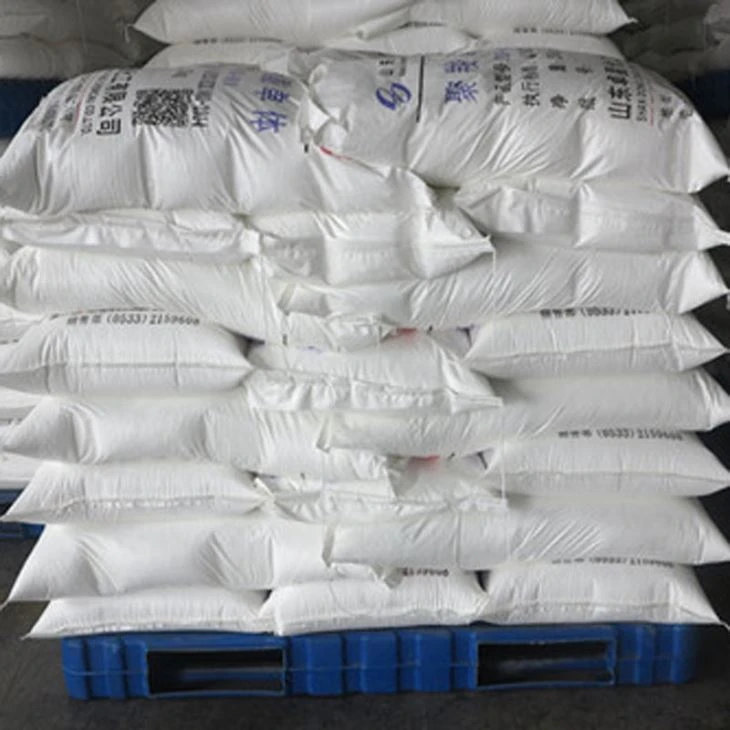
We offer different types of Poly - carboxylate Superplasticizers to meet various project requirements. Our Powder PCE comes in different charge - density formulations. The high - charge - density powder PCE is great for projects that demand high workability, significant water reduction, and long - distance pumping. It can be easily mixed into the concrete during the batching process.
On the other hand, if you have a project where a quicker setting time is needed or where the concrete doesn't require extreme workability, our low - charge - density powder PCE might be the right choice.
We also have Concrete Chemicals Polymeric Monomer HPEG 2400, which is an important raw material for synthesizing Poly - carboxylate Superplasticizers. By adjusting the charge density during the synthesis process, we can produce superplasticizers with different performance characteristics.

Choosing the Right Charge Density for Your Project
When it comes to choosing the right charge density of Poly - carboxylate Superplasticizer for your project, there are several factors to consider. First, think about the workability requirements. If you need a highly workable concrete mix, such as for a complex - shaped formwork or a self - leveling floor, a high - charge - density superplasticizer is likely the way to go.
Next, consider the strength and durability requirements. For high - strength concrete applications, a high - charge - density superplasticizer can help you achieve the desired water reduction and strength. However, if you're working on a project with a tight schedule and need the concrete to set quickly, a low - charge - density option might be more suitable.
Conclusion
In conclusion, the charge density of Poly - carboxylate Superplasticizer has a profound impact on its performance in concrete. It affects dispersion, adsorption, water reduction, setting time, and many other aspects of concrete properties. As a supplier, we understand the importance of providing the right product for each project.
If you're in the market for Poly - carboxylate Superplasticizer and want to discuss which charge - density option is best for your specific needs, don't hesitate to reach out. We're here to help you make the most informed decision and ensure the success of your concrete projects.
References
- Neville, A. M. (2011). Properties of Concrete. Pearson Education.
- Mehta, P. K., & Monteiro, P. J. M. (2013). Concrete: Microstructure, Properties, and Materials. McGraw - Hill Education.