Yo, folks! I'm a supplier of Concrete Admixtures, and today I wanna talk about the benefits of using self - consolidating concrete admixtures. If you're in the construction game, you'll know that self - consolidating concrete is a game - changer, and the admixtures that go with it are key to making it all work.
Let's start with the basics. Self - consolidating concrete (SCC) is a special type of concrete that can flow and fill formwork under its own weight, without the need for mechanical vibration. This means less labor, less noise, and a whole lot less hassle on the construction site. But to make SCC work as it should, we need those amazing admixtures.
One of the biggest benefits of using self - consolidating concrete admixtures is the improved workability. These admixtures act like a magic potion for concrete. They make the mix more fluid, so it can easily spread and fill every nook and cranny of the formwork. You don't have to worry about air pockets or voids, which are common problems in traditional concrete pours. This means a smoother finish for the final product, whether it's a building column, a bridge deck, or a decorative concrete element.
In my experience as a Concrete Admixture supplier, I've seen how this improved workability saves time and money. The guys on the site don't have to spend hours vibrating the concrete to get it to settle properly. They can just pour it in and let it do its thing. This makes the construction process much faster, which is a huge plus when you're working on a project with a tight deadline.
Another great advantage is the enhanced durability of the concrete. Self - consolidating concrete admixtures can help improve the strength and resistance of the concrete. They reduce the water - to - cement ratio without sacrificing workability, which is a win - win situation. A lower water - to - cement ratio means less porosity in the concrete, which in turn makes it more resistant to environmental factors like moisture, chemicals, and freeze - thaw cycles.
For instance, in areas with harsh winters, concrete structures can be severely damaged by freeze - thaw cycles. But with the right self - consolidating concrete admixtures, the concrete can better withstand these conditions. This long - term durability means less maintenance and repair work in the future, saving building owners a ton of money over the life of the structure.
Now, let's talk about some of the specific admixtures that can make self - consolidating concrete so great. One of them is the Concrete Admixtue Polycarboxylate Ether. These polycarboxylate - based admixtures are super effective at improving the workability of SCC. They act as dispersants, which means they help keep the cement particles separated, allowing the concrete to flow more freely.
Polycarboxylate ethers are also known for their high water - reducing ability. They can significantly reduce the amount of water needed in the concrete mix while still maintaining the desired fluidity. This not only improves the strength and durability of the concrete but also reduces the risk of shrinkage and cracking.
Another important type of admixture is the High Performance Liquid Defoamer. As the name suggests, it helps to get rid of air bubbles in the concrete. In self - consolidating concrete, where the mix is very fluid, air bubbles can easily get trapped. These air bubbles can weaken the concrete and affect its appearance. The defoamer breaks up these bubbles, ensuring a more homogeneous and stronger concrete mix.
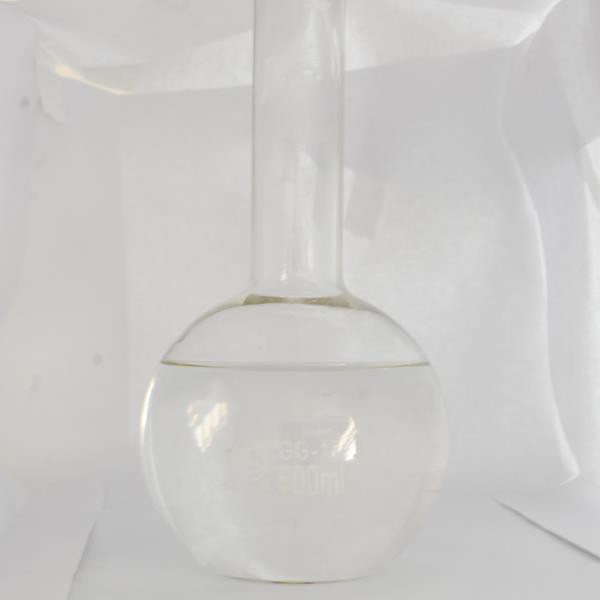

Superplasticizers are also a staple when it comes to self - consolidating concrete. They are extremely effective at increasing the workability of the concrete. Superplasticizers work by adsorbing onto the surface of cement particles, creating a negative charge that causes the particles to repel each other. This allows the concrete to flow more easily, even with a lower water content.
From an environmental perspective, using self - consolidating concrete admixtures is also a smart choice. Since these admixtures allow for a reduced water - to - cement ratio, less cement is needed in the mix. Cement production is a major contributor to greenhouse gas emissions, so every little bit of reduction helps. By using self - consolidating concrete admixtures, we can make the construction industry a bit more eco - friendly.
In terms of quality control, self - consolidating concrete admixtures offer better predictability. With traditional concrete, the quality can vary a lot depending on factors like the skill of the workers who are doing the vibrating. But with SCC and its admixtures, the properties of the concrete are more consistent from batch to batch. This makes it easier for engineers and contractors to plan and design structures, knowing that the concrete will perform as expected.
Moreover, the use of self - consolidating concrete admixtures can open up new design possibilities. Since the concrete can flow and take on complex shapes without the need for mechanical vibration, architects and designers can get more creative. They can design structures with intricate geometries and smooth finishes that would be difficult or impossible to achieve with traditional concrete.
So, if you're involved in a construction project and are thinking about using self - consolidating concrete, don't overlook the importance of the right admixtures. As a Concrete Admixture supplier, I've helped many construction teams achieve great results with these products. Whether you're building a large - scale commercial building or a small residential project, the benefits of using self - consolidating concrete admixtures are clear.
If you have any questions about which admixtures are right for your project or want to discuss a potential purchase, feel free to reach out. I'm here to help you make the most of these amazing products and ensure the success of your construction project. Let's work together to build better, stronger, and more beautiful structures with self - consolidating concrete admixtures.
References
- Neville, A. M. (2011). Properties of Concrete (5th ed.). Pearson.
- ACI Committee 237. (2007). State - of - the - Art Report on Self - Consolidating Concrete. American Concrete Institute.