Hey there! As a supplier of Polycarboxylate Ether (PCE), I often get asked about the differences between PCE and other water - reducing agents. So, I thought I'd write this blog to break it down for you.
What are Water - Reducing Agents?
First off, let's talk about what water - reducing agents are. In the construction world, these agents are super important. They're added to concrete to cut down the amount of water needed while still keeping the workability of the concrete. You see, using less water can make the concrete stronger, more durable, and less likely to crack.
There are a few types of water - reducing agents out there, like lignosulfonates, naphthalene - based superplasticizers, and melamine - based superplasticizers. But today, we're going to focus on how PCE stacks up against these other guys.
Chemical Structure
The chemical structure is where the big differences start. Other water - reducing agents like lignosulfonates are natural polymers derived from wood pulp. They have a relatively simple and random structure. Naphthalene - based and melamine - based superplasticizers are synthetic polymers, but they have a rigid and linear structure.

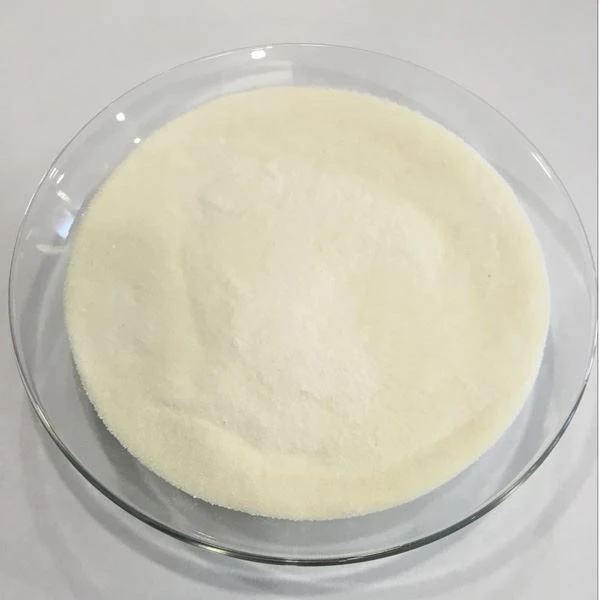
On the other hand, PCE has a comb - like structure. It has a main chain with side chains sticking out like the teeth of a comb. This unique structure gives PCE some really cool properties. The side chains can be tailored in length and density, which means we can customize PCE for different applications. For example, if you need a PCE for high - strength concrete, we can adjust the side - chain length to get the best performance.
Performance in Concrete
Workability
When it comes to workability, PCE really shines. Other water - reducing agents can make the concrete workable, but only for a short time. For instance, naphthalene - based superplasticizers can give an initial boost in workability, but it fades pretty quickly. You might end up with concrete that's hard to place and finish after just half an hour or so.
PCE, however, can keep the concrete workable for a much longer time. The comb - like structure allows it to disperse the cement particles more effectively and keep them separated. This means you have more time to pour, spread, and shape the concrete. It's especially useful for large construction projects where you need to move the concrete around and do a lot of finishing work.
Water - Reducing Ratio
The water - reducing ratio is a key factor. Lignosulfonates are usually considered normal water - reducing agents, and they can reduce water by about 5% - 12%. Naphthalene - based and melamine - based superplasticizers are high - range water - reducing agents and can reduce water by 15% - 25%.
PCE takes it to the next level. It can achieve a water - reducing ratio of up to 40%. This high water - reducing ability means you can make concrete with a much lower water - to - cement ratio. A lower water - to - cement ratio results in stronger and more durable concrete. For example, in high - rise buildings, using PCE can help create concrete that can withstand the high loads and environmental stresses.
Strength Development
PCE also has a positive impact on the strength development of concrete. Since it can reduce the water content significantly, the concrete made with PCE tends to gain strength faster. In the early stages, the strength of PCE - based concrete can be much higher compared to concrete with other water - reducing agents.
Other water - reducing agents may not have as much of an effect on early - strength development. Lignosulfonates, in particular, can sometimes slow down the setting and hardening of concrete, which might not be ideal if you're in a hurry to get the construction done.
Environmental Impact
In today's construction industry, environmental impact is a big deal. Lignosulfonates are natural and relatively environmentally friendly, but their performance is limited. Naphthalene - based and melamine - based superplasticizers are synthetic and can release harmful substances during production and use.
PCE is much more environmentally friendly. It can be produced with fewer harmful chemicals, and it doesn't release toxic fumes or substances during use. Also, because it can reduce the amount of cement needed (due to its high water - reducing ability), it helps in reducing the carbon footprint of concrete production. Cement production is a major source of carbon dioxide emissions, so using PCE can contribute to more sustainable construction.
Cost - Effectiveness
At first glance, PCE might seem more expensive than other water - reducing agents. But when you consider the overall cost, it can actually be more cost - effective. Since PCE can reduce the water content and improve the strength of concrete, you may need less cement. Less cement means lower material costs.
Also, the longer workability time of PCE can save labor costs. You don't have to rush the concrete placement and finishing, which can reduce the chances of mistakes and rework. In the long run, the cost savings from using PCE can be significant.
Applications
Ready - Mix Concrete
PCE is a great choice for Ready Mix Concrete Admixtures. Ready - mix concrete needs to stay workable during transportation. With PCE, the concrete can maintain its workability for the entire journey, whether it's a short trip across town or a longer haul to a remote construction site.
High - Strength Concrete
For ZX PCE High Range Water Reducing applications, PCE is the go - to option. High - strength concrete requires a low water - to - cement ratio, and PCE can achieve that easily. It helps in creating concrete that can meet the strict strength requirements of structures like bridges and high - rise buildings.
Self - Compacting Concrete
Self - compacting concrete needs to flow and fill the formwork without any external vibration. PCE's ability to keep the concrete workable and disperse the cement particles evenly makes it perfect for this application. It ensures that the concrete can flow smoothly and fill all the corners and gaps in the formwork.
Why Choose Our PCE?
As a supplier, we offer high - quality PCE products. Our Polycarboxylate Superplasticizer For Cement Concrete is carefully formulated to meet the specific needs of different construction projects. We have a team of experts who can help you choose the right PCE for your application and provide technical support.
If you're in the construction business and looking for a water - reducing agent that offers better performance, environmental benefits, and cost - effectiveness, then PCE is the way to go. Whether you're working on a small residential project or a large commercial building, our PCE can make a big difference in the quality of your concrete.
Let's Talk
If you're interested in learning more about our PCE products or have any questions about how they can fit into your projects, don't hesitate to reach out. We're here to help you make the best choice for your construction needs.
References
- Neville, A. M. (2011). Properties of Concrete. Pearson Education.
- Mehta, P. K., & Monteiro, P. J. M. (2014). Concrete: Microstructure, Properties, and Materials. McGraw - Hill Education.