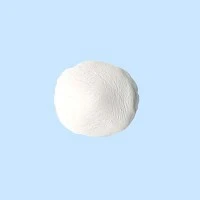
Hey there! As a supplier of Polycarboxylate PCE, I've seen firsthand the impact this amazing product can have on decorative concrete. In this blog, I'm gonna talk about how Polycarboxylate PCE affects the surface finish of decorative concrete.
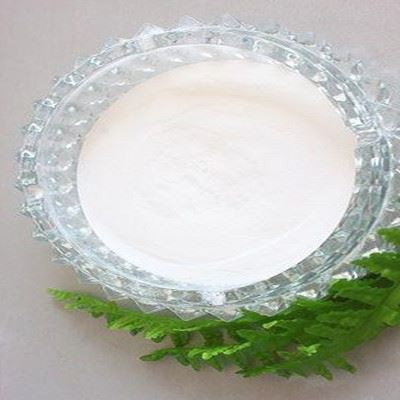
First off, let's understand what Polycarboxylate PCE is. It's a type of superplasticizer, which is basically an additive used in concrete. You can find different forms of it, like the Water Reducer Pce Powder and Polycarboxylate Powder. These additives work wonders in improving the properties of concrete.
One of the key things that Polycarboxylate PCE does for decorative concrete is improve its workability. When you're working on a decorative concrete project, you want the concrete to be easy to handle. It should flow smoothly into the molds or forms without any issues. Polycarboxylate PCE helps with that. It reduces the water content needed in the concrete mix while still maintaining its fluidity. This means you can get a more consistent and even pour, which is crucial for a good surface finish.
Let's say you're creating a decorative concrete slab with intricate patterns. If the concrete is too stiff, it won't fill all the nooks and crannies of the pattern properly. But with the addition of Polycarboxylate PCE, the concrete becomes more workable. It can flow into those small spaces, ensuring that the pattern comes out sharp and well - defined. This directly translates to a better surface finish.
Another important aspect is the reduction of air voids. Air voids in decorative concrete can be a real problem. They can make the surface look rough and uneven, and they can also weaken the concrete over time. Polycarboxylate PCE helps to disperse the cement particles more effectively. This reduces the amount of air that gets trapped in the mix during the mixing process. As a result, the surface of the decorative concrete is smoother and more uniform.
In addition to reducing air voids, Polycarboxylate PCE also enhances the cohesion of the concrete mix. Cohesion is important because it keeps all the components of the concrete together. When the concrete has good cohesion, it doesn't segregate during the pouring or finishing process. This means that the different ingredients, like the aggregates and the cement paste, stay evenly distributed throughout the mix. A well - cohesive concrete mix leads to a more consistent surface finish. You won't have areas where the aggregates are clumped together or where the cement paste has separated from the rest of the mix.

Now, let's talk about the setting time. Polycarboxylate PCE can also influence the setting time of decorative concrete. In some cases, you might want the concrete to set a bit slower. This gives you more time to work on the surface, especially if you're doing detailed finishing work like polishing or stamping. On the other hand, in some situations, you might need the concrete to set faster. Polycarboxylate PCE can be adjusted to control the setting time according to your needs. This flexibility allows you to achieve the best possible surface finish for your specific project.
When it comes to the long - term durability of the surface finish, Polycarboxylate PCE also plays a role. Since it helps to reduce water content in the mix, the concrete is less prone to cracking. Cracks can ruin the appearance of decorative concrete over time. By minimizing the chances of cracking, Polycarboxylate PCE ensures that the surface finish remains intact for a longer period.
Moreover, Polycarboxylate PCE can also improve the strength of the concrete. A stronger concrete is more resistant to wear and tear. In a decorative concrete application, this means that the surface finish will stay looking good even with regular use. For example, if you're using decorative concrete for a patio or a driveway, it will be exposed to foot traffic, vehicle traffic, and the elements. A strong concrete with the help of Polycarboxylate PCE will be able to withstand these stresses without showing significant signs of damage to its surface finish.
If you're looking for a specific type of Polycarboxylate PCE product, we also have the Powder Admixture Polycarboxylate Superplasticizer. This powder form is easy to store and use. It can be added directly to the concrete mix during the batching process.
In conclusion, Polycarboxylate PCE has a profound effect on the surface finish of decorative concrete. It improves workability, reduces air voids, enhances cohesion, controls setting time, and increases the durability and strength of the concrete. All these factors contribute to a better - looking and longer - lasting surface finish.
If you're in the market for Polycarboxylate PCE for your decorative concrete projects, we're here to help. Whether you're a small DIY enthusiast or a large - scale construction company, we can provide you with the right product for your needs. Reach out to us to start a conversation about your project requirements and let's see how we can work together to achieve the best surface finish for your decorative concrete.
References
- Neville, A. M. (1995). Properties of Concrete. Pearson Education.
- Mehta, P. K., & Monteiro, P. J. M. (2014). Concrete: Microstructure, Properties, and Materials. McGraw - Hill Education.