As a leading supplier of Polycarboxylate, I've witnessed firsthand the growing interest in understanding the durability of concrete enhanced with this remarkable additive. Polycarboxylate superplasticizers have revolutionized the concrete industry, offering numerous benefits that significantly impact the long - term performance of concrete structures.
The Basics of Polycarboxylate in Concrete
Polycarboxylate superplasticizers are a type of high - range water - reducing admixture. They work by adsorbing onto the surface of cement particles, creating a negative charge that causes the particles to repel each other. This dispersion effect allows for a more fluid concrete mix with less water. The reduced water - cement ratio is a crucial factor in enhancing the durability of concrete.
When we talk about durability, we refer to the ability of concrete to resist weathering action, chemical attack, abrasion, and other degradation processes over its service life. A lower water - cement ratio, made possible by Polycarboxylate, leads to a denser and more impermeable concrete structure. This density reduces the ingress of harmful substances such as water, chlorides, and sulfates, which are the primary causes of concrete deterioration.
Resistance to Chemical Attack
One of the most significant threats to concrete durability is chemical attack. Chlorides, for example, can penetrate the concrete and cause corrosion of the reinforcing steel. Once the steel starts to corrode, it expands, leading to cracking and spalling of the concrete. Polycarboxylate - enhanced concrete has a better resistance to chloride ingress due to its reduced permeability.
Sulfates in the soil or groundwater can also react with the cement paste in concrete, causing expansion and cracking. The dense structure of concrete with Polycarboxylate acts as a barrier, slowing down the sulfate attack. This is particularly important in areas with high sulfate content in the environment, such as coastal regions or industrial sites.
Freeze - Thaw Resistance
In cold climates, freeze - thaw cycles can cause severe damage to concrete. When water freezes inside the concrete pores, it expands, creating internal stresses that can lead to cracking. Polycarboxylate helps in improving the freeze - thaw resistance of concrete in two ways. Firstly, by reducing the water content in the mix, there are fewer pores available for water to accumulate. Secondly, the improved workability of the concrete allows for better compaction, further reducing the number of large pores that are more susceptible to freeze - thaw damage.
Abrasion Resistance
Concrete surfaces that are subject to heavy traffic, such as roads, parking lots, and industrial floors, need to have good abrasion resistance. Polycarboxylate superplasticizers contribute to this by enhancing the strength and density of the concrete. A denser concrete surface is more resistant to wear and tear from the friction of vehicles, equipment, and foot traffic.
Long - Term Performance and Sustainability
The use of Polycarboxylate in concrete not only improves its durability but also has positive implications for sustainability. Durable concrete structures have a longer service life, which means less need for frequent repairs and replacements. This reduces the consumption of raw materials and energy associated with the production of new concrete.

Moreover, the ability to use less water in the concrete mix due to Polycarboxylate reduces the carbon footprint of concrete production. Cement production is a major source of greenhouse gas emissions, and by optimizing the water - cement ratio, we can contribute to a more sustainable construction industry.
Our Product Offerings
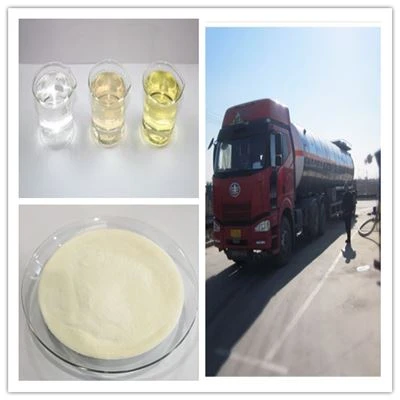
As a Polycarboxylate supplier, we offer a wide range of products tailored to different concrete applications. Our Cement Polycarboxylate Superplsticizer is specifically designed for use in cement - based concrete mixes. It provides excellent water - reducing properties and enhances the early and long - term strength of the concrete.
For mortar applications, our Mortar Additives Polycarboxylate Superplasticizer is the ideal choice. It improves the workability of the mortar, making it easier to apply and ensuring better adhesion to the substrate.
We also offer the Third Generation Of Polycarboxylate Based Superplasticizer, which represents the latest advancements in Polycarboxylate technology. This product offers even better performance in terms of water reduction, slump retention, and durability enhancement.
Case Studies
To illustrate the effectiveness of our Polycarboxylate products, let's look at a few case studies. In a large - scale bridge construction project, our Cement Polycarboxylate Superplsticizer was used to produce high - strength concrete with excellent durability. The bridge was located in a coastal area, where it was exposed to high levels of chlorides from the sea. After several years of service, the concrete showed minimal signs of chloride - induced corrosion, thanks to the reduced permeability provided by our product.
In an industrial floor project, the use of our Mortar Additives Polycarboxylate Superplasticizer resulted in a floor with exceptional abrasion resistance. The floor was subjected to heavy forklift traffic, but it maintained its smooth surface and structural integrity over time.
Conclusion
The durability of concrete with Polycarboxylate is significantly enhanced in various aspects, including resistance to chemical attack, freeze - thaw cycles, and abrasion. Our company, as a Polycarboxylate supplier, is committed to providing high - quality products that meet the diverse needs of the construction industry.
If you are interested in improving the durability of your concrete projects, we invite you to contact us for a detailed discussion. Our team of experts can help you select the most suitable Polycarboxylate product for your specific application and provide technical support throughout the project.
References
- Neville, A. M. (2011). Properties of Concrete. Pearson Education.
- Mehta, P. K., & Monteiro, P. J. M. (2014). Concrete: Microstructure, Properties, and Materials. McGraw - Hill Education.
- ACI Committee 201. (2016). Guide to Durable Concrete. American Concrete Institute.