Yo, fellow construction enthusiasts! Today, I'm stoked to chat about something super important in the concrete game: the effect of polycarboxylate polymers on the freeze - thaw resistance of concrete. As a supplier of polycarboxylate polymers, I've seen firsthand how these little wonders can make a huge difference in concrete performance.
First off, let's talk about what freeze - thaw cycles are and why they're a big deal. When water gets into concrete and then freezes, it expands. This expansion creates internal pressure within the concrete, and over time, it can lead to cracking, spalling, and overall deterioration of the concrete structure. This is a major problem, especially in regions with cold climates where freeze - thaw cycles are common.
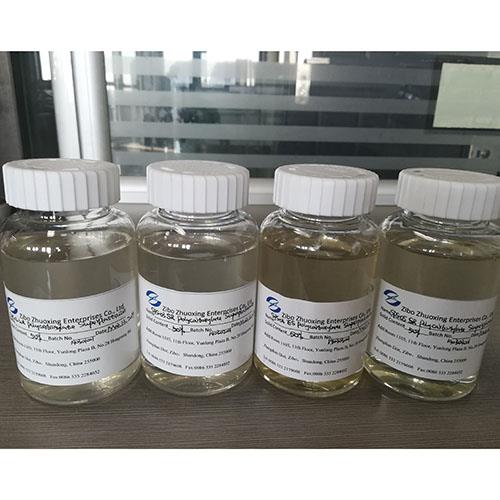
So, where do polycarboxylate polymers come in? Well, these polymers are like magic potions for concrete. They're a type of superplasticizer that can improve the workability of concrete while reducing the amount of water needed in the mix. You can check out our Polycarboxylate Superplasticizer for Ready Mix Concrete to see how it can be used in ready - mix concrete applications.
One of the key ways polycarboxylate polymers enhance freeze - thaw resistance is by reducing the water - cement ratio. A lower water - cement ratio means less water in the concrete, which in turn means less water available to freeze and expand during freeze - thaw cycles. This reduction in water content also leads to a denser and more durable concrete structure.
Another benefit is that polycarboxylate polymers can improve the air - entraining properties of concrete. Air entrainment is crucial for freeze - thaw resistance because the tiny air bubbles act as relief valves. When the water freezes and expands, these air bubbles provide space for the ice to expand into, relieving the internal pressure and preventing cracking. Our Water Reducer Polycarboxylate Superplasticizer is designed to optimize these air - entraining properties.
Let's dig a bit deeper into the science behind it. Polycarboxylate polymers have a unique molecular structure that allows them to adsorb onto the surface of cement particles. This adsorption creates a repulsive force between the particles, which helps to disperse them more evenly in the mix. As a result, the concrete becomes more homogeneous, and its overall performance is improved.
In addition to reducing the water - cement ratio and improving air entrainment, polycarboxylate polymers can also enhance the strength development of concrete. A stronger concrete is better able to withstand the stresses caused by freeze - thaw cycles. You can learn more about how our Concrete Plasticizer can contribute to strength development.
Now, I know what you're thinking: "That all sounds great, but how do I know if polycarboxylate polymers are right for my project?" Well, it really depends on a few factors. If you're working on a project in a cold climate or an area with high humidity, polycarboxylate polymers are definitely worth considering. They can help extend the lifespan of your concrete structures and save you money in the long run by reducing the need for repairs and maintenance.
But it's not just about the climate. The type of concrete application also matters. For example, if you're working on a bridge deck or a parking garage, where the concrete is exposed to de - icing salts in addition to freeze - thaw cycles, polycarboxylate polymers can provide an extra layer of protection. These polymers can help prevent the ingress of salts into the concrete, which can further damage the structure.
I've seen some amazing results in real - world projects. One of our clients was working on a large - scale infrastructure project in a cold region. They were initially concerned about the freeze - thaw resistance of the concrete, but after using our polycarboxylate polymers, they noticed a significant improvement in the durability of the concrete. The structures were able to withstand multiple freeze - thaw cycles without any signs of cracking or spalling.
So, if you're in the market for a solution to improve the freeze - thaw resistance of your concrete, I highly recommend giving polycarboxylate polymers a try. As a supplier, we have a wide range of products to meet your specific needs. Whether you're working on a small residential project or a large commercial development, we can help you find the right polycarboxylate polymer for your application.
If you're interested in learning more or discussing your project in detail, don't hesitate to reach out. We're here to answer any questions you may have and provide you with the best possible solutions. Let's work together to build stronger, more durable concrete structures that can stand the test of time.
In conclusion, polycarboxylate polymers have a significant positive effect on the freeze - thaw resistance of concrete. They reduce the water - cement ratio, improve air entrainment, enhance strength development, and provide protection against de - icing salts. By using these polymers, you can ensure that your concrete structures are more durable and long - lasting. So, what are you waiting for? Take the first step towards better concrete performance today.

References
- Neville, A. M. (2011). Properties of Concrete. Pearson Education.
- Mehta, P. K., & Monteiro, P. J. M. (2014). Concrete: Microstructure, Properties, and Materials. McGraw - Hill Education.