

Concrete Admixture PCE Powder
Custom Concrete Admixture PCE Powder Manufacturer
Zibo Zhuoxing Enterprises Co., Ltd was established in 2008 and has been exporting TPEG, HPEG, EPEG, 50% polycarboxylate water reducer liquid and polycarboxylate water reducer powder to many countries since 2015.
Strong Production Ability
The company currently has a full set of production lines from HPEG to PCE high-efficiency water reducers. The annual production capacity is 80,000 tons and the output is 72,000 tons. The total annual PCE production capacity is 100,000.00 tons.
Quality Control
The company has passed ISO9001 quality management system certification. We conduct raw material inspection upon entry to ensure qualification for production, effectively control the whole production process to meet requirements, and sample test each batch before delivery.
Professional Team
The company is privileged to have a professional export team. Our R & D team, which consists of a group of highly qualified and experienced experts, maintains close and fruitful communication with renowned scientific research institutes consistently.
Rich Experience
As one of the two earliest manufacturers of TPEG/HPEG in China, after 16 years of continuous research, we have solved many professional needs of domestic and foreign customers in the field of PCE high-efficiency water reducers.
Polycarboxylate superplasticizer (PCE), also known as polycarboxylate ether superplasticizer, is a new generation of high-performance concrete admixture. It is a water-reducing agent with excellent performance that integrates water reduction, slump protection, reinforcement, shrinkage and environmental protection.
-
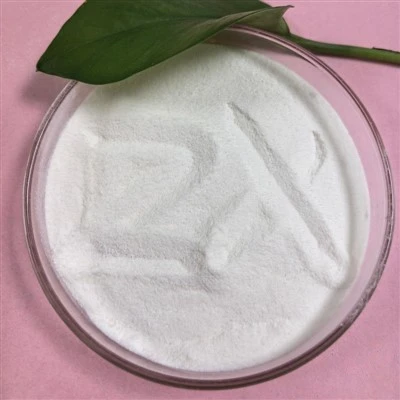 SPS-19 PCE Powder Early-Strength Water-Reducing High Perf...SPS-19 is a new-generation, environmentally friendly, high-performance PCE powder characterized by early strength, high water-reducing and full water solubility.Add to Inquiry
 -
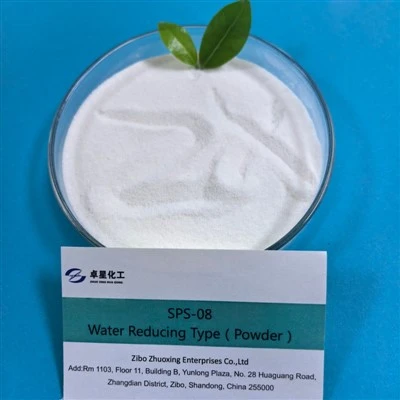 SPS-08 China Direct Factory Cost Efficient Concrete Mixtu...SPS-08 is a high performance PCE powder with high water reducing rate, having a good thermal stability and continues to function reliably even in high-temperature environments.Add to Inquiry
 -
 High Water Reducer Polycarboxylic AcidHigh water reducer polycarboxylic acid is specially used for cement based self-leveling floor screeds and cement based dry mix mortar.Add to Inquiry
 -
PCE Powder Water ReducerPCE Powder Water Reducer is a powdered concrete admixture with polycarboxylic acid polymer compounds as the main component. It belongs to the third generation of high-performance water reducers.Add to Inquiry
-
 Slump Retention Admixture PCE PowderSlump Retention Type Admixture PCE Powder is a new generation of environmental friendly water reducer for mortar based on new synthesis technology.Density:500±50Kg/m³PH:6.0±1.0SolidAdd to Inquiry
 -
 Water Reducing Powdered SuperplasticizerWater Reducing Powdered Superplasticizer is an Eco-friendly superplasticizer with high performance for both ready mix and precast applicationsAppearance:White or light yellow powderDensity:500±50pHAdd to Inquiry
 -
 Water Reducing Concrete Admixture PCE PowderWater Reducing Type Concrete Admixture PCE Powder can be applied to various mortar formulations with different cementitious formulationsAdd to Inquiry
 -
 Slump Retention Concrete Admixture PCE PowderSlump Retention Type Concrete Admixture PCE Powder is a kind of free–flowing powder form superplasticizerGood sliding retention performanceCompared with traditional water reducer, the dosage isAdd to Inquiry
 -
 Concrete Admixture PCE Powder for MortarConcrete Admixture PCE Powder for Mortar is a special polycarboxylate-based superplasticizer for dry mortar.1. High water level drop2. The dosage is small3. Perfectly sustain the downturnAdd to Inquiry


- Mobile:+86 15589354098
- Tel:+86 533 3146528
- Email:sales@zhuoxingchem.com
- Email:sales02@zhuoxingchem.com
- Email:sales03@zhuoxingchem.com
- Add: Block B, Yunlong International, Zhangdian District, Zibo City, Shandong Province, China.
Features of Concrete Admixture PCE Powder
Environment-Friendly
Concrete consumes lots of energy and water, accounting for 4-8 percent of global CO2 emissions and approximately 2% of international water withdrawals. PCE reduces the total amount of water put on the concrete and the amount of cement included with the concrete paste by up to 40%. It helps in reducing environmentally friendly impact without losing the concrete's efficiency.
Improved Workability
PCE-based admixture provides more efficient concrete mixes with improved strength and accelerated workability without compromising setting properties. It can also enhance the workability of fresh concrete, making it easier to pump and pour.
Reduced Permeability
Admixtures can reduce the permeability of concrete, which reduces the risk of moisture penetration into the concrete.
High-Quality Concrete Mixes
PCE-based admixture obtains excellent concrete mixes with improved cement hydration and pouring characteristics. This leads to improved strength and high-quality concrete.
Reduced Shrinkage
Concrete admixtures can decrease the shrinkage of concrete, which can help reduce the risk of cracking and other damage. These admixtures provide an internal curing system for the concrete mix. The presence of polycarboxylate ethers enables the admixture to absorb and retain water within the concrete mixture.
Improved Finish
PCE-based admixtures can refine the finish of concrete by making it smoother appealing, and a more consistent surface. The improved finish helps enhance the durability of the concrete surfaces. This admixture can also provide a more uniform mix design and decrease the tendency for shrinkage cracks. Additionally, it can help reduce water absorption and stop water seepage.

Improved Workability
Admixtures such as superplasticizers can increase the flow and ease of concrete placement, reducing the need for excess water and manual labor, which saves time and money and lead to a smoother, more consistent finish.
Increased Strength and Durability
Admixtures such as accelerators and retarders can speed up or slow down the setting time of concrete, allowing it to cure correctly and achieve its full-strength potential. Air-entraining agents can also improve freeze-thaw resistance and reduce cracking.
Unique Textures and Patterns
Admixtures can also enhance the aesthetic appeal of your concrete. Pigments and colorants can be added to achieve a desired color, while surface retarders can create unique textures and patterns.
Cost-Effective
Selecting the right admixture can also save you money in the long run and increases the strength and durability of your concrete; you can avoid costly repairs and replacements in the future.
Water Reducing Admixtures
Water-reducing admixtures, the name itself definingdefines that they are used to minimize the water demand in a concrete mix. Workability is an importantare property of concrete which is improved with the addition of water but if water is added more than required the strength and durability properties of concrete get affected. In addition to increase in workability it also improves the strength of concrete, good bond between concrete and steel, preventsand cracking, segregation, honeycombing, bleeding etc.
Retarding Admixtures
Retarding admixtures slows down the rate of hydration of cement in its initial stage and increases the initial setting time of concrete. These are also called retarders and are used especially in high-temperature zones where concrete will set quickly. The quick setting in some situations may lead to discontinuities in structure, poor bonds between the surfaces, creates unnecessary voids in concrete etc. Retarders are useful to eliminate this type of problem.
Air Entraining Concrete Admixture
Air-entraining admixtures are one of the most important inventions in concrete technology. Their primary function is to increase the durability of concrete under freezing and thawing conditions. When added to concrete mix, these admixtures will form millions of non-coalescing air bubbles throughout the mix and improve the properties of concrete.
Expanding Agent
Expanding agent is the admixture that causes concrete or mortar to expand due to the chemical reaction. The main function is to compensate the shrinkage of concrete. Expanding agent products include calcium sulphoaluminate, gypsum, iron powder, lime, alunite and so on.
Foaming Agent
Foaming agent can reduce the surface tension of solution, produce uniform and stable foam, and produce foamed concrete. Foaming agent also has a strong effect of slowing coagulation. Foaming agent products include rosin soap, animal hair, resin saponin lipid, petroleum aluminium sulfonate, etc.
Corrosion Inhibitor
Corrosion inhibitor is an admixture to prevent or reduce the corrosion of steel or metal embedded parts in concrete. The varieties of corrosion inhibitor include benzoate, phosphate, fluorosilicate, chloro aluminate, etc.
Antifreeze Agent
Antifreeze agent is a kind of admixture to reduce the freezing point of water in concrete. The varieties of antifreeze agent are calcium chloride, sodium chloride, sodium nitrite, ammonia, carbamide and so on.
The Use Premise Of The Concrete Admixture
Mixing Design
Generally, the strength of concrete needs to be set according to the part used in the project. Concrete engineering strength grade requirements, the physical and chemical properties of admixtures, and the types of admixtures should be considered to meet the design requirements of various indicators.
On-Site Testing
After the concrete ratio is tested in the laboratory, since the actual situation on site is inconsistent with the parameter values set by the laboratory, the admixture ratio should be adjusted appropriately to meet the needs of actual on-site use.
The Amount Of Admixtures Used
The amount of admixtures used has an important influence on the performance of concrete. The usage amount should go through the process of precise calculation, the scientific ratio in the laboratory, and on-site adjustment, and finally get a reasonable usage amount.
The Use Premise Of The Concrete Admixture
The proportion of concrete admixtures should be determined according to the changes in the pouring environment, climatic conditions and external conditions. Therefore, the selection of admixtures should be in line with the requirements of on-site use, to ensure the quality of concrete and to reasonably control the project cost.
Mixing Design
Generally, the strength of concrete needs to be set according to the part used in the project. Concrete engineering strength grade requirements, the physical and chemical properties of admixtures, and the types of admixtures should be considered to meet the design requirements of various indicators.
On-Site Testing
After the concrete ratio is tested in the laboratory, since the actual situation on site is inconsistent with the parameter values set by the laboratory, the admixture ratio should be adjusted appropriately to meet the needs of actual on-site use.
The Amount Of Admixtures Used
The amount of admixtures used has an important influence on the performance of concrete. The usage amount should go through the process of precise calculation, the scientific ratio in the laboratory, and on-site adjustment, and finally get a reasonable usage amount.

It Accelerates Or Slows Down The Initial Or Final Setting Time
The initial setting time is the time elapsed between instances when water is added to cement and the paste starts to lose its plasticity. The final setting time is the time elapsed between instances when water is added to cement and the paste completely loses its plasticity.
It Modifies The Rate Of Bleeding
Bleeding in concrete is the process where water is pushed upwards as free water. The free water continues to rise to the surface until the concrete has hardened.
It Improves The Permeability Of Concrete
The permeability of concrete is its capacity to be mobilised under pressure while maintaining its properties.
It Reduces Segregation In The Concrete Or Increases Its Cohesion
Segregation appears when water and cement separate due to uneven distribution of concrete constituents.
Concerns When Using Admixtures
Follow Direction
The concrete mix can be compromised if directions are not followed explicitly. It is often necessary to add supplemental materials to balance out any negative side effects that the use of an admixture may have on the finished concrete. An in-depth knowledge of the interrelated effects of different admixtures is generally required to utilize them successfully and avoid compromising the finished concrete. This makes choosing the appropriate admixture the responsibility of experts.
Communicate with Several Parties
The process or finished product may be weakened further if several parties are involved at different stages of the manufacture. The final quality of the finished concrete can be the result of individual decisions on the part of the producer, placing contractor and the builder. This makes communication an important factor.
Affect Environment
Some admixtures may have a questionable impact on the environment. Super-plasticizers, for example, may pollute groundwater and surface waters. Ongoing research is being conducted to determine how different admixtures impact the environment.
Factors To Consider When Choosing Concrete Admixtures
Project Requirements
The project's requirements, such as strength, workability, and durability, help to determine the type and dosage of admixture needed. For instance, if the project requires high strength, an accelerator admixture is the right choice, while a superplasticizer can improve the workability of concrete.
Environmental Conditions
Environmental conditions like temperature, humidity, and wind can impact the concrete setting and hardening process. For instance, a retarder admixture can slow down the setting time of concrete in hot weather conditions, while an accelerator admixture can speed up the process in cold weather conditions.
Compatibility with Other Materials
Concrete admixtures should be compatible with added-on materials used in the project, such as aggregates, cement, and water. Incompatible materials can cause adverse reactions, leading to reduced performance or failure.
Cost and Availability
The cost and availability of admixtures can also impact the selection process. Some admixtures may be expensive or challenging to obtain, while others may have a lower price and be readily available.
Air Entrainment
A defoamer is used in almost all polycarboxylate-based admixtures to prevent excessive air entrainment caused by the PCE polymer. Air contents can generally be effectively handled in both air-entrained and non-air-entrained concrete applications by selecting the PCE-based superplasticizer substance most in keeping with the task materials.
Clay Impact
The PCE polymer can be readily and irreversibly adsorbed by clay fines found in various aggregate sources. This feature makes PCE superior to technologies like polynaphthalene sulfonate (PNS). PCE's are generally dosed around one-third of PNS-based superplasticizers for the comparable slump in clay-free or low-clay sands. However, when clays are present in a few sands, a 50 percent higher dose of PCE can be predicted than PNS. Searching for clay fines in the aggregate supply should really be prioritized if the amount of a PCE superplasticizer suddenly increases.
PCE-Calcium Synergy
When PCE based admixture combines with calcium-based set accelerators and corrosion inhibitors, unexplained strength improvements have been observed in comparison to the same concrete mix blended with a PNS-based product. A blend with a calcium nitrite-based corrosion inhibitor was the first to ever show this synergy in strength benefit with PCEs.
Our Certificate


Our Factory

Frequently Asked Questions
As one of the most professional concrete admixture pce powder manufacturers and suppliers in China, we're featured by quality products and good price. Please rest assured to buy concrete admixture pce powder made in China here from our factory.
rehabilitation of concrete structures pce powder, exposed aggregate concrete pce powder, waste material incorporated concrete pce powder