


Zibo Zhuoxing Enterprises Co., Ltd. is one of the leading manufacturers and suppliers of water reducing agent in China. With a professional production team, we offer a wide range of chemicals with superior quality. Please feel free to buy bulk premium chemical products at competitive price from our factory.
Zibo Zhuoxing Enterprises Co., Ltd was founded in 2008. Zibo Zhuoxing Enterprises Co., Ltd is the international trade company of Shandong Zhuoxing Chemical, has begun to export TPEG, HPEG, EPEG,Polycarboxylate superplasticizer liquid with 50% content and Polycarboxylate superplasticizer powder to many countries since 2015.
Why Choose Us
Strong Production Ability
The company currently has a full set of production lines from HPEG to PCE high-efficiency water reducers. The annual production capacity is 80,000 tons and the output is 72,000 tons. The total annual PCE production capacity is 100,000.00 tons.
Quality Control
The company has passed ISO9001 quality management system certification. We conduct raw material inspection upon entry to ensure qualification for production, effectively control the wh.
Professional Team
The company is privileged to have a professional export team. Our R & D team, which consists of a group of highly qualified and experienced experts, maintains close and fruitful communication with renowned scientific research institutes consistently.
Rich Experience
As one of the two earliest manufacturers of TPEG/HPEG in China, after 16 years of continuous research, we have solved many professional needs of domestic and foreign customers in the field of PCE high-efficiency water reducers.

Concrete Additives For Strength
Concrete additives for strength(SPS-13) is a new generation of Eco-friendly high performance polycarboxylate ether superplasticizer powder
1.have good strength dispersion
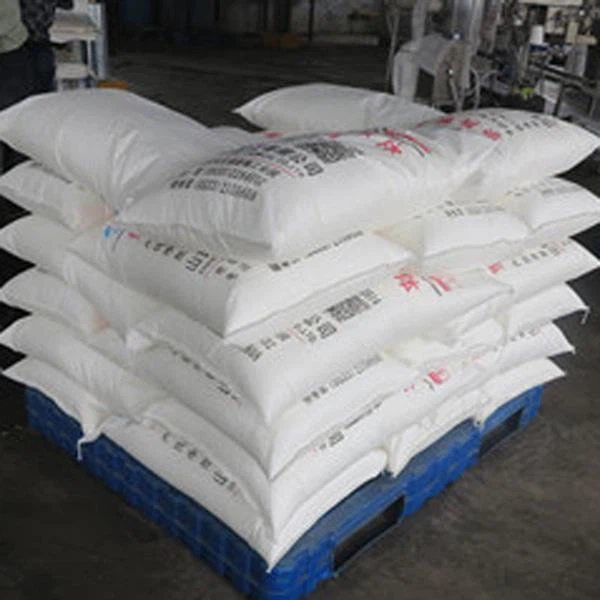
PCE Superplasticizer Powder is new generation of Eco-friendly high performance polycarboxylate ether superplasticizer
powder Density:500±50Kg/m³ PH:6.0±1.0
Solid content:97.0±1.0
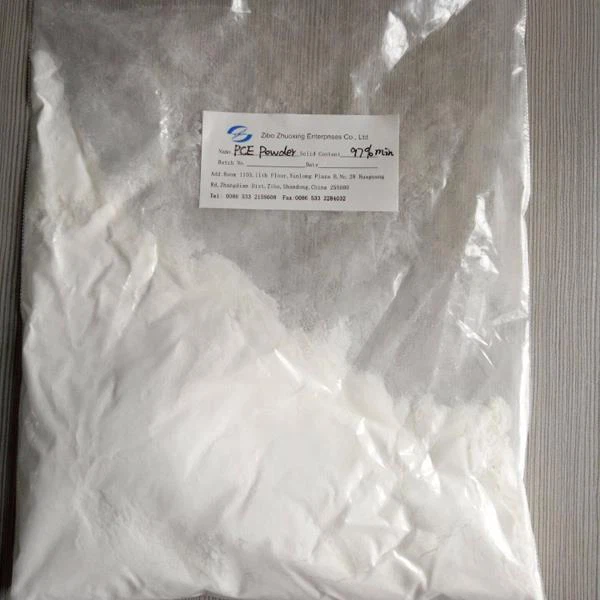
Water Reducer Superplasticizer Powder
Water Reducer Superplasticizer Powder is a new generation of Eco-friendly high performance polycarboxylate ether superplasticizer
powder Density:500±50Kg/m³
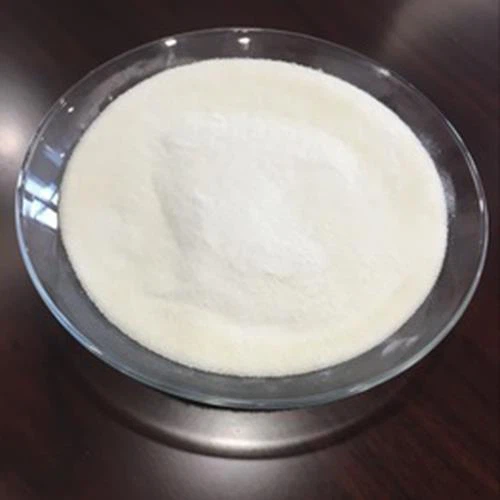
Water Reducing Polycarboxylate Superplasticizer Powder
Water Reducing Type Polycarboxylate Superplasticizer Powder is a new generation of Eco-friendly high performance water reducing type polycarboxylate powder made from TPEG.
Appearance:White or light yellow powder
Density:500±50 pH (23℃):5.0±7.0 Solid

Slump Retention Polycarboxylate Superplasticizer Powder
Slump Retention Type Polycarboxylate Superplasticizer Powder is a kind of free–flowing powder form superplasticizer,
Appearance:White or light yellow powder
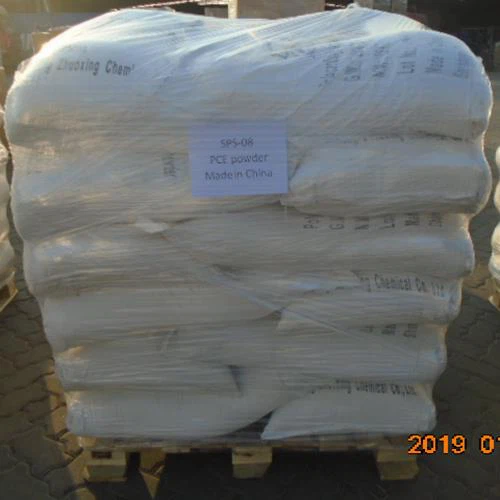
Polycarboxylate Superplasticizer Powder For Dry Mix Mortar
Polycarboxylate Superplasticizer Powder for Dry Mix Mortar is a free flowing spray dried powder based on polycarboxylic ether.
Appearance:White or light yellow powder
Density:500±50 pH

Superplasticizer Pce With Best Quality
Superplasticizer pce with best quality is specially used for gypsum based and cement based dry mix mortar.
Appearance:White powder
Density(23℃):500±50

Superplasticizer Form China Professional Technical
Concrete additive superplasticizer form China professional technical having a good thermostability.
Appearance:White powder
Density(23℃):500±50 PH (23℃) / 6.0±1.0

Pce Powder For Concrete Admixture
Pce powder for concrete admixture is a new generation of Eco-friendly high performance polycarboxylate ether superplasticizer powder developed by our company with EPEG 912 ( MW:3000) as main raw material.
Water reducer is a concrete admixture that can reduce the amount of mixing water while maintaining the slump of concrete. Most of them are anionic surfactants. After being added to the concrete mixture, it has a dispersing effect on cement particles, which can improve its workability, reduce the unit water consumption, and improve the fluidity of the concrete mixture; or reduce the unit cement consumption and save cement.
It is divided into ordinary water reducer (also known as plasticizer, with a water reduction rate of not less than 8%, represented by lignin sulfonates), high-efficiency water reducer (also known as superplasticizer, with a water reduction rate of not less than 14%, including naphthalene series, melamine series, aminosulfonate series, aliphatic series, etc.) and high-performance water reducer (water reduction rate is not less than 25%, represented by polycarboxylic acid series water reducer), and is divided into early strength type, standard type and slow setting type respectively.
Benefits of Water Reducing Agent
Dispersing effect
Water-reducing agent molecules can be adsorbed on the surface of cement particles, forming a layer of water-repellent film, reducing the electrostatic attraction and van der Waals force between cement particles so that the cement particles are dispersed more uniformly, reducing the amount of water used while maintaining the good working properties of concrete.
Lubrication effect
The adsorption layer formed between the cement particles by the water-reducing agent is like a lubricant, which reduces the friction resistance inside the concrete mix, makes the concrete easier to pump and pour, and improves construction efficiency.
Plasticizing effect
By reducing the water-cement ratio (the ratio of water to cement) without increasing the water consumption, the water-reducing agent can make the concrete maintain good fluidity and plasticity, which is convenient for the construction operation, and at the same time reduces the tendency of shrinkage cracking of the concrete.
Improvement of interfacial transition zone
Water water-reducing agent helps to optimize the structure of the interfacial transition zone between cement paste and aggregate and enhance the bond strength and durability of concrete.
Reduce water-cement ratio and improve strength
By reducing the water without reducing the strength, and even in some cases due to the reduction of the water-cement ratio, the early and late strength of concrete has been significantly improved. This is particularly important for projects seeking high-performance concrete, such as high-rise buildings, bridges, dams, and other critical infrastructure construction.
Sulfamate series high-efficiency water reducing agent
Sulfamate high-efficiency water-reducing agent is a monocyclic aromatic hydrocarbon high-efficiency water-reducing agent. It is mainly composed of p-amino benzene sulfonic acid, monocyclic aromatic hydrocarbon derivatives, phenolic compounds and formaldehyde, which are heated and condensed under acidic or alkaline conditions. The molecular structure of sulfamic acid water-reducing agents is relatively complex, and different monomers will have different molecular structures. The main chain of sulfamic acid superplasticizer is alternately connected by phenyl and methylene groups. The main chain contains a large number of branch chains with hydrophilic functional groups such as sulfonic acid groups, amino groups, and hydroxyl groups.
Aliphatic (aldehyde and ketone condensate) high-efficiency water reducing agent
Aliphatic high-efficiency water reducing agents are carbonyl pyroaldehyde synthesized by sulfonation of polymers, and the main chain of the hydrophobic group is aliphatic hydrocarbons. This high-efficiency water-reducing agent has wide applicability to cement, has an obvious reinforcing effect on concrete, and has small slump loss. Small size, no sodium sulfate crystallization at low temperature. It is widely used to prepare personalized water-reducing agents such as pumping, retardants, early strength, antifreeze, air-entraining, etc. It can also be combined with naphthalene-based, amino water-reducing agents and polycarboxylate water-reducing agents.
Anthracene high-efficiency water reducing agent
The tan powder obtained by sulfonation, hydrolysis condensation, neutralization and atomization drying of crude anthracene is non-toxic, odorless and does not contain chloride ions. It has the characteristics of a high water reduction rate, low air entrainment volume, and high reinforcement during concrete mixing. The concrete mixture has good construction workability, is not easy to bleed and segregate, and is suitable for concrete with C10~C60 strength.
Oil-washing high-efficiency water-reducing agent
Using coking wash oil, another by-product of coal coking, as raw material, we use a production process similar to that of naphthalene-based water-reducing agents to produce polycyclic aromatic hydrocarbon sulfonate formaldehyde condensate, whose performance is similar to that of naphthalene-based water-reducing agents. It is a high-efficiency water-reducing agent with wide sources of raw materials, low cost and great industrial value.
Why do you use water reducing agent in construction?
Direction and distribution of dampers
A water damper is a combination that can reduce the water used for mixing while keeping the original crack intact. Contains polycarboxylates. After adding lignosulfonate concrete mixture, polymer formaldehyde naphthalene sulfonate, etc., it can increase efficiency, reduce water consumption and increase water flow of concrete mixture. Or reduce cement use and save cement.
Paper is also divided into liquid and powder. Water content is typically 20%, 40% (also called alcohol), 60% and powder content is typically 98%, depending on the ability of the water reducing agent to reduce and activate water. Commonly divided into water-reducing substances. (also known as plasticizers replaced by lignosulfonates), superplasticizers (also known as superplasticizers, e.g. naphthalene-based, melamine-based, sulfate-based, aliphatic, etc.) and high water-reducing agents.
Role of water reducing agent and precautions for use
Fast speed, time saving, high efficiency. Increase heat consumption and save energy without harming the environment. Raw material storage tanks, drip tanks and long-term mechanical silos are all new chemicals. Reduced training of high-strength depositors with high-quality anti-corrosion properties has been reported. and operational benefits Improve concrete performance to match construction site performance. Improve the water-cement ratio, reduce water consumption and increase the strength of concrete without change. Optimal cement laying cost reduction Improve mixing efficiency and reduce cost It can improve the stone's special performance, waterproof, antifreeze, fire resistance and other properties.
Pay attention to the variety of clay choices. In terms of raw materials, cement has a positive effect on external raw materials. Many types of cement can act as water-reducing agents and increase water-reducing agents. In particular, water-reducing effect of water-reducing agent A water softener with a higher effect than cement is preferred. Different types of cement have different water-repellent properties. Choose the right water manager. Water softener is suitable for almost all stones. Instead, the selection should be based on engineering, construction and building requirements.
Why use polycarboxylic acid water reducing agent?
Improvement of plastic holding capacity Initial and final reinforcement and prevention or reduction of cracks after mortar settlement and hardening. The stability of the product is good. No stratification or sedimentation during long-term storage. Does not crystallize at room temperature. This product is environmentally friendly and environmentally friendly. And it is a good product for the environment without formaldehyde. After mixing, the air content of the stone increases (usually 3%-6%), which is effective to increase the performance and life expectancy of the stone. The vaccine must be added to the container. The ability to use stones is very good. There are no cracks or smearing, the color of the gemstone is the same, and when used for manufacturing small gemstones, the filling material is excellent and mixing is easy.
Concrete admixtures (additives) enhance the performance of concrete and are suitable for architectural applications with special requirements. Concrete additives are used to achieve the desired processability at low water to cement ratios and to increase the set time of long distance transport of concrete.
The properties of hardened concrete, mortar and grout should be changed to: delay or reduce heat assessment during early hardening. Speed up the development of early power. Increase the strength (compression, stretching or bending). Increase durability or resist severe exposure conditions.
Reduce the permeability of concrete. Controls the swelling caused by the reaction of the base with certain aggregate components. Increase the bond between concrete and steel. Increase the bond between existing and new concrete. Improve impact resistance and wear resistance. Suppresses corrosion of embedded metals. Production of colored concrete or mortar.
Why use a water reducing agent?
● Produce concrete with better processability without requiring more water, so no loss of strength is encountered
● By maintaining a certain degree of workability, but at a lower water content, the concrete strength can be increased without further cement addition
● While maintaining the same w/c ratio and processability, the concrete can be brought to a given strength, such as the lower cement content of the reference concrete.
Impact on durability
The direct addition of this type of mixture does not increase the permeability, and in fact the permeability is significantly reduced in the case where the mixture is used to reduce w / c.
Effect on shrinkage
When used as a workability aid for water reducing agents, this type of mixture does not adversely affect shrinkage. Application of water reducing concrete admixture
● When using water-reducing agents, you must choose high-quality products and have an effective quality inspection mechanism to ensure the stability and safety of the product.
● Before using the water-reducing agent officially, tests must be conducted to understand the adaptability of the water-reducing agent. At the same time, adjustments should be made according to different situations to ensure the working performance and quality of the concrete.
● Before using the water-reducing agent, you must understand how to use it, use the correct amount, and coordinate the addition time with other concrete ingredients, not too much, not too early, not too late.

● When using water reducing agents, you must use protective equipment and operate in strict accordance with safe operating procedures. At the same time, water reducing agents should not be used under extreme weather conditions such as rain and sandstorms.
● When using water reducing agents, you must pay attention to the treatment of pollution and waste, and dispose of them in strict accordance with environmental protection regulations. Simply achieve reduction.
● The use of water reducing agents must be authorized and approved by the engineering department.
The storage of water-reducing agents must comply with national standards and be placed in a safe location away from heat, fire, acids and other chemicals.
When using water-reducing agents, you must wear protective clothing, protective gloves, gas masks, goggles and other necessary protective equipment.
Our factory
Our factory, Shandong Zhuoxing Chemical is one of the largest manufacturer of polyoxyethylene ether (polycarboxylate monomer)TPEG/HPEG/EPEG in China, with annual capacity 80,000 tons and output 72,000 tons. We also produce third genertion concrete admixture polycarboxylate superplasticizer in liquid form with solid content 50% and polycarboxylate superplasticizer powder with solid content of 97% min.

Our Certificates


FAQ
Hot Tags: water reducing agent, China water reducing agent manufacturers, suppliers, factory, polycarboxylate superplasticizer powder for durability, polycarboxylate superplasticizer powder for enhancement, polycarboxylate superplasticizer powder for market adjustment, polycarboxylate superplasticizer powder for validation, polycarboxylate superplasticizer powder for reliability, polycarboxylate superplasticizer powder for market assurance


