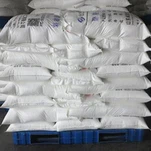
Zibo Zhuoxing Enterprises Co., Ltd was founded in 2008. Zibo Zhuoxing Enterprises Co., Ltd is the international trade company of Shandong Zhuoxing Chemical, has begun to export TPEG, HPEG, EPEG,Polycarboxylate superplasticizer liquid with 50% content and Polycarboxylate superplasticizer powder to many countries since 2015.
Why Choose Us
Strong Production Ability
The company currently has a full set of production lines from HPEG to PCE high-efficiency water reducers. The annual production capacity is 80,000 tons and the output is 72,000 tons. The total annual PCE production capacity is 100,000.00 tons.
Quality Control
The company has passed ISO9001 quality management system certification. We conduct raw material inspection upon entry to ensure qualification for production, effectively control the wh.
Professional Team
The company is privileged to have a professional export team. Our R & D team, which consists of a group of highly qualified and experienced experts, maintains close and fruitful communication with renowned scientific research institutes consistently.
Rich Experience
As one of the two earliest manufacturers of TPEG/HPEG in China, after 16 years of continuous research, we have solved many professional needs of domestic and foreign customers in the field of PCE high-efficiency water reducers.

Comprehensive Polycarboxylate Superplasticizer Powder
Comprehensive Polycarboxylate Superplasticizer Powder with High water reducing ratio
Appearance:White or light yellow powder
Density:500±50 pH (23℃):6.0±1.0
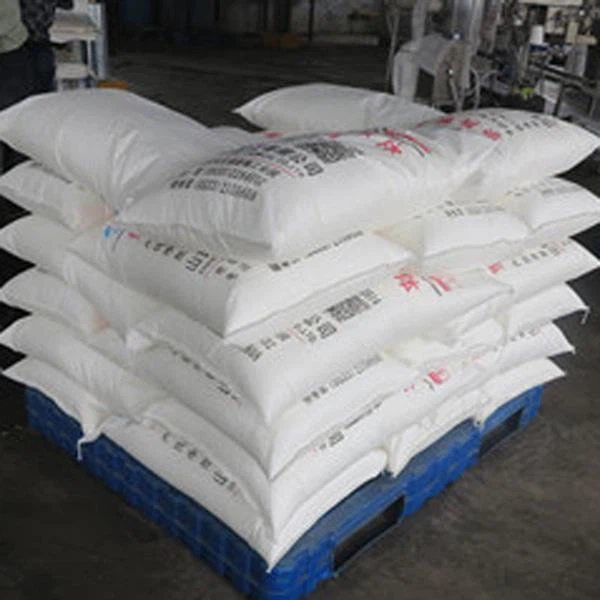
PCE Superplasticizer Powder is new generation of Eco-friendly high performance polycarboxylate ether superplasticizer
powder Density:500±50Kg/m³ PH:6.0±1.0
Solid content:97.0±1.0
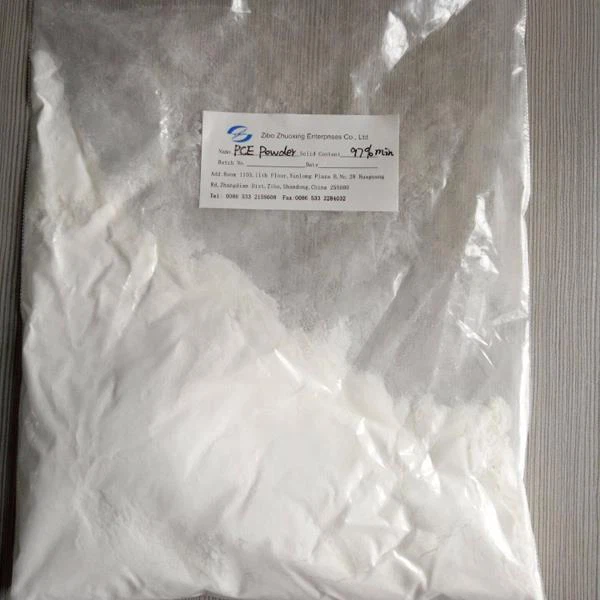
Water Reducer Superplasticizer Powder
Water Reducer Superplasticizer Powder is a new generation of Eco-friendly high performance polycarboxylate ether superplasticizer
powder Density:500±50Kg/m³
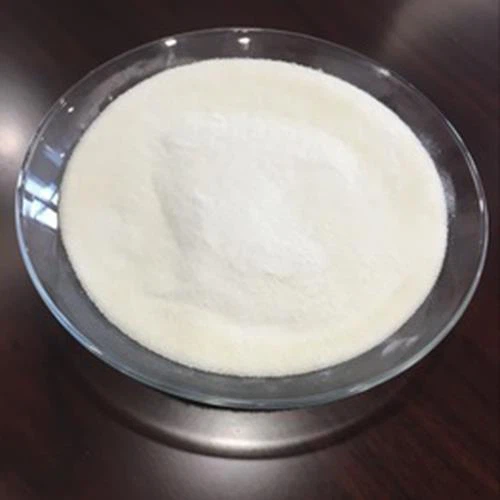
Water Reducing Polycarboxylate Superplasticizer Powder
Water Reducing Type Polycarboxylate Superplasticizer Powder is a new generation of Eco-friendly high performance water reducing type polycarboxylate powder made from TPEG.
Appearance:White or light yellow powder
Density:500±50 pH (23℃):5.0±7.0 Solid

Slump Retention Polycarboxylate Superplasticizer Powder
Slump Retention Type Polycarboxylate Superplasticizer Powder is a kind of free–flowing powder form superplasticizer,
Appearance:White or light yellow powder
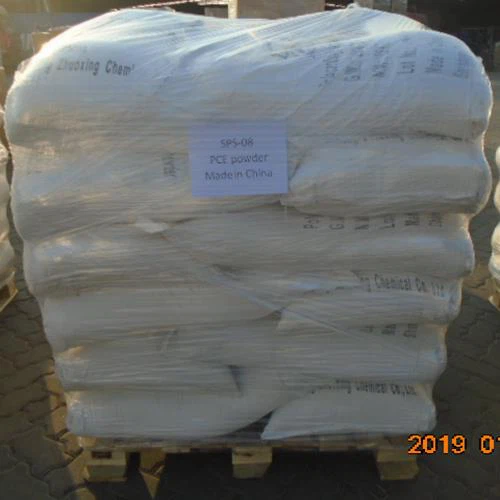
Polycarboxylate Superplasticizer Powder For Dry Mix Mortar
Polycarboxylate Superplasticizer Powder for Dry Mix Mortar is a free flowing spray dried powder based on polycarboxylic ether.
Appearance:White or light yellow powder
Density:500±50 pH

Superplasticizer Pce With Best Quality
Superplasticizer pce with best quality is specially used for gypsum based and cement based dry mix mortar.
Appearance:White powder
Density(23℃):500±50

Superplasticizer Form China Professional Technical
Concrete additive superplasticizer form China professional technical having a good thermostability.
Appearance:White powder
Density(23℃):500±50 PH (23℃) / 6.0±1.0

Pce Powder For Concrete Admixture
Pce powder for concrete admixture is a new generation of Eco-friendly high performance polycarboxylate ether superplasticizer powder developed by our company with EPEG 912 ( MW:3000) as main raw material.
Concrete Additives For Strength, or admixtures, are precisely engineered materials incorporated during the concrete mixing process. These admixtures can be used to modify the characteristics of the concrete both during the placement and in terms of its cured performance, offering a powerful tool to address a wide range of challenges.
Concrete Additives For Strength are a powerful tool in the hands of architects and specifiers. By understanding their functionalities and collaborating with a specialist, you can unlock the full potential of concrete in your projects. From enhanced workability and setting times to superior strength, durability, and waterproofing, Concrete Additives For Strength can help you achieve lasting results.
Benefits of Concrete Additives For Strength
Workability and Setting Time
Fresh concrete's workability significantly impacts placement and finishing. Additives such as plasticisers or superplasticisers improve workability, allowing for easier flow and better compaction. Retarders delay the initial set, providing more time for transportation and placement, especially in hot weather.
Strength and Durability
The core function of concrete is to bear weight and resist stresses. Strength-enhancing additives can significantly improve compressive and flexural strength. Microsilica admixtures, for example, densify the concrete matrix, leading to superior strength and abrasion resistance. Additionally, other durability-enhancing additives can improve resistance to a range of factors, such as freeze-thaw cycles, chloride penetration, and chemical attack, extending the lifespan of the structure.
Air Entrapment
In cold climates, water within concrete can freeze and expand during setting, causing cracks and spalling. Air-entraining additives introduce microscopic air bubbles that act as pressure chambers, mitigating freeze-thaw damage.
Other Specialised Functions
Several specialised Concrete Additives For Strength cater to specific needs. For instance, self-consolidating concrete (SCC) uses admixtures to achieve high flowability without segregation, ideal for congested reinforcement or complex formwork. Additionally, fibre-reinforcing admixtures can be used to improve crack resistance and tensile strength.
Water Reducing Admixtures
Water-reducing admixtures are used to make concrete, mortar or grout more workable without the need of adding more water. There are three types of water-reducing Concrete Additives For Strength-superplasticizers, mid-range plasticizers and plasticizers which cut the water requirement by 30%, 15% and 10% respectively.
Retarding Admixtures
Admixtures that delay cement's initial rate of hydration and prolong its setting time are known as retarders. Gypsum and calcium sulphate are the most commonly used retarding admixtures. Other substances used as retarders are starch, cellulose derivatives, ordinary sugar and acid salts.
Accelerating Admixtures
Accelerating admixtures speed up the initial setting time of concrete thus increasing its early-stage strength. Common accelerators used are silica fume, calcium chloride and finely divided silica gel.
Air Entraining Concrete Admixture
Air entraining chemical admixtures are used for increasing the durability of concrete during freezing, dewatering and thawing. When they are used, they create air bubbles that improve the characteristics of the concrete.
Air Detaining Admixtures
To get rid of the extra air from the concrete voids, air detraining admixtures are used. When the air-entrained is more than adequate in concrete due to gas leakage from aggregates, they are useful. Tributyl phosphate, silicones, water-insoluble alcohols are some of the most common air entrained admixtures.

Although concrete is a common and adaptable building material, it occasionally falls short of all the specifications needed for a given construction project. Admixtures, or Concrete Additives For Strength, are used in this situation. These are materials that are mixed into the concrete mix to improve its qualities and increase its suitability for different uses.
Concrete Additives For Strength come in a variety of forms, each with a distinct function. Certain Concrete Additives For Strength make concrete more workable, which facilitates mixing, pouring, and finishing. Others are employed to quicken or slow down the setting time, which, depending on the requirements and environmental circumstances of the project, may be vital.
Concrete Additives For Strength can improve concrete's strength and durability in addition to its workability and setting time. They can lengthen the concrete's lifespan, lessen the chance of cracking, and help it withstand severe weather. This increases the durability and dependability of concrete, particularly in harsh environments.
The success of a construction project can be greatly impacted by the use of appropriate Concrete Additives For Strength. Through comprehension of the different kinds of Concrete Additives For Strength and their advantages, builders can produce concrete that fulfills the particular requirements of their projects, guaranteeing enhanced longevity and performance.
How Concrete Additives For Strength Work
Additives work by altering the chemical and physical properties of the concrete mix, enabling it to perform better under specific conditions:
Water Reduction: Water reducers lower the water-cement ratio while maintaining or improving workability, leading to higher strength and durability.
Workability Improvement: Plasticizers enhance the flow of concrete, making it easier to place and finish, particularly in complex or confined areas.
Setting Time Control: Accelerators and retarders adjust the setting time, allowing flexibility in construction schedules and accommodating varying weather conditions.
Durability Enhancement: Additives like silica fume and fly ash improve the durability of concrete by refining the microstructure and reducing permeability.
Corrosion Prevention: Corrosion inhibitors form a protective layer around steel reinforcement, preventing chloride ions from causing corrosion.
Shrinkage Control: Shrinkage reducers minimize the volumetric changes during curing, reducing the risk of cracking and enhancing long-term performance.
The field of Concrete Additives For Strengths is continually evolving, with new innovations and trends shaping the future of construction. Some of the emerging trends include:
Nano-Additives
Nanotechnology is being explored for its potential to create concrete with even higher performance characteristics. Nano-additives, such as nanosilica, can enhance the strength, durability, and self-healing properties of concrete at the molecular level.
Self-Healing Concrete
Self-healing concrete is an exciting development that involves the use of additives that can repair cracks autonomously. These additives, such as microcapsules containing healing agents or bacteria that produce calcium carbonate, could revolutionize the durability and longevity of concrete structures.
Smart Concrete
Smart concrete incorporates sensors and other technologies to monitor the condition and performance of the material in real-time. High-performance additives can be used in conjunction with these technologies to create concrete that not only performs better but also provides valuable data for maintenance and management.
Sustainable Additives
As the demand for sustainable construction practices grows, the development of eco-friendly and bio-based additives is gaining momentum. These additives offer the potential to further reduce the environmental impact of concrete production and contribute to a more sustainable built environment.
What Concrete Additives For Strength?
If you want to choose a concrete additive to gain strength, you'll find that it's a little more complicated than just picking a material and mixing it in. There are additives you can choose which will result in either short or long-term strength gains in your cured concrete. However, making concrete is more like baking a cake than making some trail mix. Every ingredient impacts one another, down to how much water you need to mix it.
Has a lower water content
Has high-quality, small aggregates (gravel, stone, sand, and geosynthetics are options)
Has a low amount of air mixed in
Has reinforcements such as steel
While this is a good starting point, there are additives which you can add to concrete to make it stronger. Just remember that you need to balance strength with other characteristics such as durability, workability, cure time, cost and more.
Concrete Retarders
Retarder additives are about slowing down the time that it takes for your concrete to set. This can be important for large projects where you need the concrete to be workable for longer. If you want to set a pattern into the concrete but don't have time to do that before it sets, it is common to add a surface retarder. While it reduces initial strength, the longer cure for concrete retarders can increase strength over the long term.
Concrete Accelerators
Concrete accelerators are additives which are meant to speed up the set time of your concrete. They are often necessary when installing concrete in cold weather, as they prevent frost damage to the concrete. In the short term, the concrete will be stronger. However, long term, concrete with an accelerator is of lowered strength compared to the same mixture without it.
Concrete Superplasticizers
Superplasticizers are the additives that let us make high-strength concrete. They allow us to significantly reduce the amount of water we put in the concrete without impacting the flow and workability. With lower water content, these concrete types are stronger. There is a very wide range of superplasticizers. They are expensive options and are often incompatible with one another-so you need to be selective about their use and careful about mixing them. They also slow down the curing time of the concrete.
Supplementary Cementitious Materials
These are extra materials which can add all kinds of properties to the cement that you're using. The specific characteristics will depend on the specific material that you use, but adding strength is possible.
We offer a full line of Concrete Additives For Strength that can increase the sustainability of your next project, while making concrete stronger, less susceptible to cracks, more cost efficient, and easier to place and finish. Our experienced team of concrete specialists skillfully blend sophisticated combinations of chemical admixtures, fibers, supplementary cementitious materials and color pigments to support our customers' innovations in construction methods. We can reduce your carbon footprint while improving the quality, strength, durability and appearance of the finished concrete.
Chemical additives can be added to concrete to provide greater plasticity, workability and earlier levels of strength than from normal concrete, or to maintain concrete quality in challenging weather conditions. Admixtures decrease the amount of cement needed to achieve a given strength specification, resulting in a reduction of the carbon footprint of the concrete. There are five distinct types of chemical admixtures that all increase the sustainability of your concrete.
Air entraining agents are added during mixing to produce microscopic air bubbles in concrete which will increase resistance to freeze-thaw cycles, improve workability, and reduce bleeding and segregation of concrete mixtures. Air entrainment is usually specified for outside concrete slabs and is not necessary for interior concrete.
Accelerators reduce the initial set time of concrete and are recommended in cold weather as well as fast-track construction where early strength gain is critical. Calcium chloride is the most common and least expensive accelerator for non-reinforced concrete. Non-chloride accelerators are specified when corrosion is an issue or when placing concrete in sub-freezing conditions. Accelerators may be used to allow greater integration of supplementary cement materials, such as slag or fly ash.
Superplasticizers or High Range Water Reducers are in a special class of water-reducers used to produce concrete for pumping concrete where high-strength is required, and congested steel reinforcement is present. Superplasticizers are the critical ingredient in self-consolidating concrete (SCC) mixes.
Our factory
Our factory, Shandong Zhuoxing Chemical is one of the largest manufacturer of polyoxyethylene ether (polycarboxylate monomer)TPEG/HPEG/EPEG in China, with annual capacity 80,000 tons and output 72,000 tons. We also produce third genertion concrete admixture polycarboxylate superplasticizer in liquid form with solid content 50% and polycarboxylate superplasticizer powder with solid content of 97% min.

Our Certificates


FAQ
Hot Tags: concrete additives for strength, China concrete additives for strength manufacturers, suppliers, factory, polycarboxylate superplasticizer powder for alternative, polycarboxylate superplasticizer powder for precast concrete, polycarboxylate superplasticizer powder for market modification, polycarboxylate superplasticizer powder for fine tuning, polycarboxylate superplasticizer powder for adjustment, polycarboxylate superplasticizer powder for market validation