


Zibo Zhuoxing Enterprises Co., Ltd was founded in 2008. Zibo Zhuoxing Enterprises Co., Ltd is the international trade company of Shandong Zhuoxing Chemical, has begun to export TPEG, HPEG, EPEG,Polycarboxylate superplasticizer liquid with 50% content and Polycarboxylate superplasticizer powder to many countries since 2015.
Why Choose Us
Strong Production Ability
The company currently has a full set of production lines from HPEG to PCE high-efficiency water reducers. The annual production capacity is 80,000 tons and the output is 72,000 tons. The total annual PCE production capacity is 100,000.00 tons.
Quality Control
The company has passed ISO9001 quality management system certification. We conduct raw material inspection upon entry to ensure qualification for production, effectively control the wh.
Professional Team
The company is privileged to have a professional export team. Our R & D team, which consists of a group of highly qualified and experienced experts, maintains close and fruitful communication with renowned scientific research institutes consistently.
Rich Experience
As one of the two earliest manufacturers of TPEG/HPEG in China, after 16 years of continuous research, we have solved many professional needs of domestic and foreign customers in the field of PCE high-efficiency water reducers.
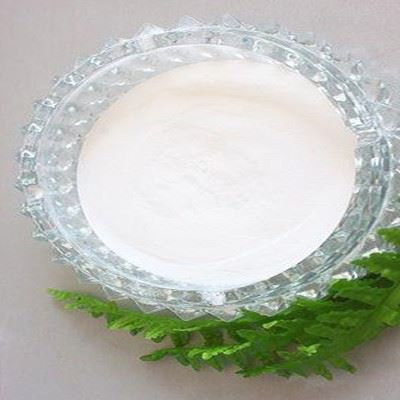
Concrete Water Reducer is a new generation of Eco-friendly high performance polycarboxylate ether superplasticizer powder developed by our company with EPEG 912 ( MW:3000) as main raw material.

Polycarboxylate Superplasticizer Flake
Polycarboxylate superplasticizer flake is a new product produced by our company.
High Water Reducer Polycarboxylic Acid
High water reducer polycarboxylic acid is specially used for cement based self-leveling floor screeds and cement based dry mix mortar.
PCE Powder Water Reducer is specially used for gypsum based self-leveling floor screeds and cement based dry mix mortar.

Polycarboxylate Ether Superplasticizer
New generation polycarboxylate ether superplasticizer with high water reducing and well adaptability.
Appearance (23℃):Colorless or light yellow to brown viscous liquid
PH Value (23℃): 6±1

Slump Retention Admixture PCE Powder
Slump Retention Type Admixture PCE Powder is a new generation of environmental friendly water reducer for mortar based on new synthesis technology.
Density:500±50Kg/m³
PH:6.0±1.0

High Performance Powder Defoamer
High Performance Powder Defoamer is a highly effective powder defoamer designed to eliminate air entrapment in cementitious based products for the construction industry.
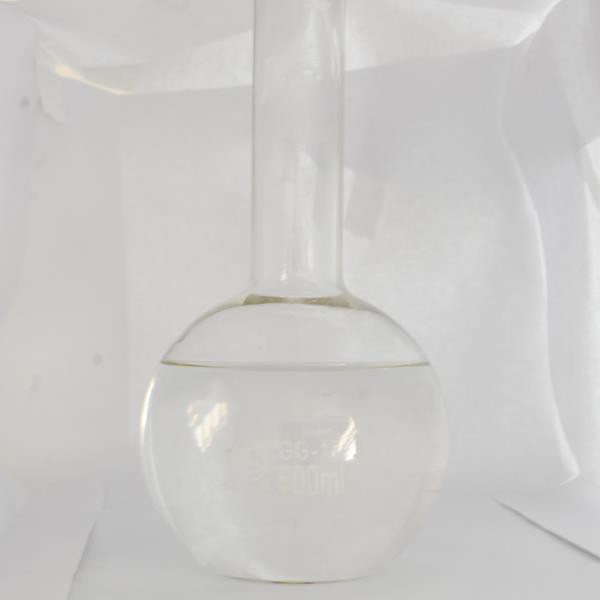
High Performance Liquid Defoamer
High Performance Liquid Defoamer XP-11 is developed by our company for polycarboxylate water reducer, the main component of which is modified polyesters, made by special process.

Water Reducing Powdered Superplasticizer
Water Reducing Powdered Superplasticizer is an Eco-friendly superplasticizer with high performance for both ready mix and precast applications
Appearance:White or light yellow powder
Density:500±50 pH (23℃):6.0±1.0
Superplasticizers transform stiff, low-slump concrete into flowing, pourable, easily placed concrete. They can improve workability, speed finishing, increase strength, conserve cement and help reduce shrinkage and thermal cracking. However, because of their brief history, questions and doubts about their use still exist.
Superplasticizers are used to fluidify the concrete in the field. Most of the superplasticizers helped to maintain high slump values for a time of 30 to 45 minutes. But some of the Portland cement do no behave well with the use of superplasticizers.
Benefits of Superplasticizers
Improved Workability
One of the primary benefits of superplasticizers is the significant improvement in workability. By increasing the fluidity of the concrete mix, they allow for easier handling, placement, and compaction, even in situations where access is difficult. This property is particularly useful in high-rise buildings and large-scale infrastructure projects.
Enhanced Strength
Superplasticizers allow for a reduction in the water-to-cement ratio, which results in denser and stronger concrete. By minimizing the amount of water used in the mix, the concrete becomes less porous, which not only enhances its compressive strength but also improves its resistance to environmental factors such as freeze-thaw cycles and chemical attack.
Durability and Long-Term Performance
Concrete structures are designed to last for decades, but their durability is often influenced by external factors such as exposure to harsh weather conditions and chemicals. Superplasticizers reduce the permeability of concrete by reducing the water content, making the structure more resistant to cracks, corrosion, and other forms of degradation.
Cost Efficiency
Though superplasticizers add to the upfront cost of the concrete mix, they can significantly reduce the long-term costs associated with maintenance and repairs. By creating more durable and robust structures, the need for costly repairs and reinforcements is reduced. Additionally, superplasticizers enable the use of high-strength concrete, which can support more load-bearing structures, reducing the need for excess materials and saving on overall project costs.
Superplasticizers are categorized based on their chemical composition and mechanism of action. Each type offers unique benefits and is suited for specific applications, making it essential to understand their distinct characteristics.
Sulfonated Melamine Formaldehyde (SMF)
Sulfonated Melamine Formaldehyde (SMF) is one of the earliest types of superplasticizers developed. Known for its high water-reducing capabilities, SMF is particularly effective in producing high-strength concrete. The chemical structure of SMF allows it to disperse cement particles efficiently, leading to a significant reduction in the water-cement ratio. This results in concrete with enhanced compressive strength and durability. SMF is often used in precast concrete production, where achieving high early strength is crucial. Additionally, its ability to improve the workability of concrete without increasing the water content makes it ideal for applications requiring intricate formwork or dense reinforcement.
Sulfonated Naphthalene Formaldehyde (SNF)
Sulfonated Naphthalene Formaldehyde (SNF) is another widely used superplasticizer, known for its excellent dispersing properties. SNF is particularly effective in reducing the water content in concrete mixes, which enhances the material's strength and durability. Its chemical structure allows it to adsorb onto the surface of cement particles, creating a repulsive force that helps to disperse them evenly throughout the mix. This results in a more homogeneous and workable concrete.
Modified Lignosulfonates (MLS)
Modified Lignosulfonates (MLS) are derived from lignin, a natural polymer found in wood. These superplasticizers are known for their cost-effectiveness and moderate water-reducing capabilities. MLS works by adsorbing onto cement particles and reducing the surface tension of the water in the mix, which improves the flow properties of the concrete. While MLS may not offer the same level of water reduction as SMF or SNF, it is still effective in enhancing the workability and cohesiveness of concrete. MLS is often used in mass concrete applications, such as dams and foundations, where the primary requirement is to improve workability rather than achieve high early strength.
Polycarboxylate Ether (PCE)
Polycarboxylate Ether (PCE) represents the latest generation of superplasticizers, offering superior performance compared to traditional types. PCEs are known for their high water-reducing capabilities and ability to maintain workability over extended periods. The unique comb-like structure of PCE molecules allows them to provide better dispersion of cement particles, resulting in a highly fluid and workable concrete mix. PCEs are particularly effective in producing high-performance concrete (HPC) and self-consolidating concrete (SCC), where maintaining fluidity without segregation is crucial. Their ability to work at low dosages also makes them cost-effective in the long run. PCEs are less sensitive to temperature and humidity variations, ensuring consistent performance across different environmental conditions. This makes them ideal for a wide range of applications, from high-rise buildings to infrastructure projects.
Applications in Construction Superplasticizers
Superplasticizers have revolutionized the construction industry, enabling the creation of structures that were once deemed impossible. Their ability to enhance the properties of concrete has opened up new possibilities in architectural design and engineering. One of the most notable applications is in the construction of skyscrapers. The demand for taller and more slender buildings has increased, and superplasticizers play a crucial role in meeting these requirements. By improving the flow and strength of concrete, they allow for the construction of high-rise buildings with reduced column sizes, maximizing usable floor space and providing greater design flexibility.
In the realm of infrastructure, superplasticizers are indispensable in the construction of bridges and tunnels. These structures often require concrete that can withstand significant loads and environmental stresses. Superplasticizers contribute to the production of durable and high-strength concrete, ensuring the longevity and safety of these critical infrastructures. For instance, in the construction of long-span bridges, the use of superplasticizers allows for the creation of lightweight yet strong concrete, reducing the overall weight of the structure and minimizing the need for extensive support systems.
The benefits of superplasticizers extend to the realm of precast concrete elements as well. Precast concrete is widely used in the construction of modular buildings, where components are manufactured off-site and then assembled on-site. Superplasticizers enhance the workability and strength of precast concrete, ensuring that the elements fit together seamlessly and maintain their structural integrity. This not only speeds up the construction process but also improves the quality and consistency of the final product.
In the field of marine construction, superplasticizers are used to produce concrete that can withstand harsh marine environments. Structures such as piers, docks, and offshore platforms are constantly exposed to saltwater, which can lead to corrosion and degradation. Superplasticizers help create dense and impermeable concrete, providing enhanced protection against these aggressive conditions. This ensures the durability and longevity of marine structures, reducing maintenance costs and extending their service life.
Superplasticizers are traditionally known for their water-reducing qualities to improve the flow of concrete without adding additional water and compromising the overall strength of the mix. These same qualities are also what allows for the reduction of cementitious materials.
When mixed with water cement particles become naturally attracted to one another and tend to form clumps. This means that only some of the cement particles can properly complete the hydration process, which lowers the strength of the finished product. High-strength mixes call for higher amounts of cement to increase the percentage of cement that bonds and hydrates with the water molecules. When a superplasticizer is present in the mix, it bonds with the cement particles and neutralized the force that pulls them together. This keeps them from forming clusters in the mix and frees more of the cement molecules to complete the hydration process. So you get the same result, with less cement than a traditional high-strength mix.
History and Development
The development of superplasticizers dates back to the 1960s and 1970s when the construction industry sought innovative solutions to improve the performance of concrete. The initial research and experimentation focused on enhancing concrete workability and strength, leading to the discovery of these powerful admixtures.
The first generation of superplasticizers, primarily based on sulfonated melamine-formaldehyde and sulfonated naphthalene-formaldehyde, revolutionized concrete technology by allowing for significant water reduction while maintaining a workable mix. These early formulations were crucial in constructing high-rise buildings, bridges, and other infrastructure projects that demanded superior strength and durability.
As the construction industry evolved, so did the technology behind superplasticizers. In the late 20th and early 21st centuries, new generations of superplasticizers were developed, incorporating polycarboxylate ethers (PCEs). These advanced superplasticizers offered even greater efficiency in dispersing cement particles, resulting in concrete mixes with exceptional fluidity and reduced water content.
The continuous development and refinement of superplasticizers have played a pivotal role in modern concrete construction. Today, these admixtures are indispensable in creating high-performance concrete for a wide range of applications, from skyscrapers to intricate architectural designs.
Superplasticizers are essential in contemporary concrete technology. Their ability to improve workability, strength, and durability has made them a cornerstone of modern construction practices. Understanding their chemical composition and historical development highlights their significance in advancing concrete technology and meeting the ever-evolving demands of the construction industry.
By grasping the fundamentals of superplasticizers, one can appreciate their critical role in shaping the future of construction, ensuring structures that are not only strong and durable but also environmentally sustainable and cost-effective.
Performance Criteria
The first factor to choose the right superplasticizer is to evaluate the superplasticizer's impact on concrete properties such as workability, setting time, and final strength. Different projects usually require specific properties.
Dosage And Mixing
The second major factor to consider before buying superplasticizer is proper dosage which is necessary for achieving the desired properties in concrete.
However, on-site adjustments may be necessary depending on environmental conditions and the composition of concrete. Generally, superplasticizers should be able to mix evenly to ensure uniform distribution within the concrete mix.
Testing And Evaluation
Conducting comprehensive laboratory and field tests is necessary to determine the effectiveness of superplasticizers. Some of the common tests to evaluate their performance include flow table tests, slump tests, and compressive strength tests. In addition, long-term evaluations, such as durability tests also help to ensure that the superplasticizer meets the project's specific requirements.
Economic Considerations
Cost-effectiveness is another key factor to consider when you buy superplasticizers. Usually, high-performance superplasticizers tend to have a higher initial cost. However, their ability to reduce water content and improve concrete properties can help to save in other areas, such as lesser cement quantity and shortened construction duration.
Environmental And Health Considerations
Always choose superplasticizers with low impact on the environment and minimal health risks. Environment-friendly superplasticizers with reduced carbon footprints and non-toxic components are widely available.
Our factory
Our factory, Shandong Zhuoxing Chemical is one of the largest manufacturer of polyoxyethylene ether (polycarboxylate monomer)TPEG/HPEG/EPEG in China, with annual capacity 80,000 tons and output 72,000 tons. We also produce third genertion concrete admixture polycarboxylate superplasticizer in liquid form with solid content 50% and polycarboxylate superplasticizer powder with solid content of 97% min.

Our Certificates


FAQ
Hot Tags: superplasticizers, China superplasticizers manufacturers, suppliers, factory, concrete admixture for chemical plants, Concrete Admixture Polycarboxylic Ether Polymer, concrete admixture for concrete porosity control project, concrete admixture for concrete pouring, concrete admixture for concrete workability improvement, concrete admixture for concrete vibrating


