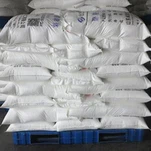
Zibo Zhuoxing Enterprises Co., Ltd was founded in 2008. Zibo Zhuoxing Enterprises Co., Ltd is the international trade company of Shandong Zhuoxing Chemical, has begun to export TPEG, HPEG, EPEG,Polycarboxylate superplasticizer liquid with 50% content and Polycarboxylate superplasticizer powder to many countries since 2015.
Why Choose Us
Strong Production Ability
The company currently has a full set of production lines from HPEG to PCE high-efficiency water reducers. The annual production capacity is 80,000 tons and the output is 72,000 tons. The total annual PCE production capacity is 100,000.00 tons.
Quality Control
The company has passed ISO9001 quality management system certification. We conduct raw material inspection upon entry to ensure qualification for production, effectively control the wh.
Professional Team
The company is privileged to have a professional export team. Our R & D team, which consists of a group of highly qualified and experienced experts, maintains close and fruitful communication with renowned scientific research institutes consistently.
Rich Experience
As one of the two earliest manufacturers of TPEG/HPEG in China, after 16 years of continuous research, we have solved many professional needs of domestic and foreign customers in the field of PCE high-efficiency water reducers.
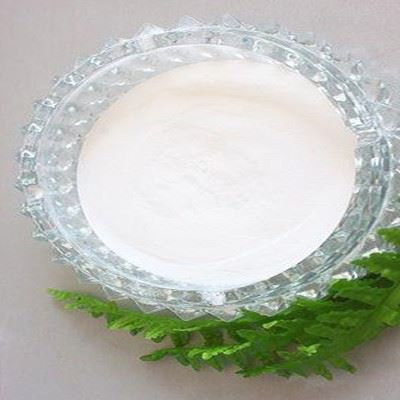
Construction Building Pce Powder
Construction Building Pce Powder has good properties to dry mix mortar
High Quality Concrete Admixture
High Quality Concrete Admixture with good adaptability to different materials

Admixture Superplasticizer For Concrete
Admixture Superplasticizer for concrete has good adaptability, can be used at the same time with other additives in mortar production.
Superplasticizers For Concrete
Superplasticizers for concrete With a good slump retention ability, enhance cohesion, without concrete segregation.
Superplasticizer Concrete Water Reducer
Superplasticizer Concrete water reducer With a good slump retention ability, enhance cohesion, without concrete segregation.
Concrete Admixture Pce Powder Admixture
Concrete Admixture pce powder admixture has good properties,good water reducer and good thermostability.

Superplasticizer Pce With Best Quality
Superplasticizer pce with best quality is specially used for gypsum based and cement based dry mix mortar. Appearance:White powder Density(23℃):500±50 PH (23℃):6.0±1.0

Superplasticizer Form China Professional Technical
Concrete additive superplasticizer form China professional technical having a good thermostability. Appearance:White powder Density(23℃):500±50 PH (23℃) / 6.0±1.0 Solid Content:97.0±1.0

Pce Powder For Concrete Admixture
Pce powder for concrete admixture is a new generation of Eco-friendly high performance polycarboxylate ether superplasticizer powder developed by our company with EPEG 912 ( MW:3000) as main raw material.
Precast concrete products is a construction material created by pouring concrete into a preshaped mold. The concrete is then left to cure in an appropriate environment. Once cured, the mold is removed and reused.
The Precast concrete products product is then taken to the job site and used for the project. For instance, if designed to be walls, the Precast concrete products walls are typically lifted into position by a crane on site.
The Precast concrete products method is very different from the conventional way concrete was used, cast-in-place.
In the conventional method, the concrete is formed into the desired shape at the project location and left to cure. There is no transportation involved.
Benefits of Precast Concrete Products
Construction Speed
The most important benefit of using precast concrete is that it considerably speeds up the construction process for any project. Ordinarily, builders used to pour concrete on the job site and wait for it to cure, which could take several days or weeks.
Strength
Precast Concrete Products brands like include carefully chosen materials in their mixes, which you saw in the list above. Adding these elements results in characteristics like high strength, waterproofing, etc.
When curing concrete on the site, many of these materials are difficult to procure and may be forgotten or overlooked. Therefore, precast concrete has a significantly higher strength than an ordinary concrete surface.
Controlled Environment
Precast Concrete Products is manufactured in facilities where the curing happens in a carefully controlled environment. However, when curing concrete at the construction site, nobody can control the environmental factors such as rain, humidity, heat, etc.
Quality Control
Precast concrete manufacturers are solely focused on the aspect of creating concrete. Therefore, there is a greater quality control resulting in consistent products.
Design Options
Precast Concrete Products is created using specialized molds designed for the purpose. Manufacturers create these molds in many different shapes and sizes because they can be reused.
Precast concrete walls
These are large concrete panels that can be used to create exterior or interior walls. They are typically manufactured in large, rectangular panels that can be connected and installed quickly at the construction site.
Precast concrete beams and columns
They are designed to provide structural support to buildings or bridges, and are manufactured in different shapes and sizes depending on specific load requirements.
Precast concrete slabs and planks
These are flat panels that can be used as floors or roofs in buildings. They are typically manufactured in long, thin sections that can be easily transported and installed at the construction site.
Precast concrete stairs
These are pre-manufactured elements that can be utilised to construct staircases in buildings. They come with pre-installed treads and risers and can be customised to meet specific building design requirements.
Precast concrete retaining walls
These are elements that are used to retain soil or other materials. They are typically manufactured with interlocking edges that can be connected to create a continuous wall, and can be designed to meet specific load requirements.
It is important to note that the strength of concrete is affected by several factors, including the quality of the concrete mix, the curing conditions, and the age of the concrete. Therefore, multiple samples often undergo a compressive test of concrete to insure the quality.
Materials Used In Precast Concrete Products
The materials used in the Precast concrete products industry are similar to those used in traditional cast-in-place concrete, but they are carefully selected and controlled to ensure high quality and consistency. The main components of Precast concrete products include:
Cement: Cement is a binding agent that reacts with water to form a solid matrix. Portland cement is the most common type used in Precast concrete products.
Aggregates: Fine aggregates such as sand provide a smooth texture to the concrete and help fill voids between larger particles. Coarse aggregates like gravel or crushed stone add strength to the concrete and reduce shrinkage.
Water: Water is crucial for the hydration of cement, leading to the hardening of the concrete mix.
Admixtures: Plasticizers improve the workability of the concrete mix, making it easier to handle and place. Retarders slow down the setting time of the concrete, which can be beneficial for transportation and casting processes. Accelerators speed up the setting time, which can be useful in cold weather conditions.
Reinforcement: Steel bars or mesh are often added to Precast concrete products elements to enhance their structural integrity and resistance to tension forces.
Parking Structures: There are many different ways Precast concrete products is used in parking structures. For example, traffic barriers, stairs, columns, architectural veneer, paving slabs, and many more. It is used for single-level, mid-rise, and large-level parking structures.
Compound Wall: Compound walls are built to separate two adjacent plots of land. Precast compound walls are popular because they are very durable, quick to erect, economical, and can be purchased in various designs. They are also very aesthetically pleasing and provide excellent privacy.
Sound Walls: These Precast concrete products walls are used by many businesses because they are an excellent solution for blocking unwanted noise. You might also see them used alongside busy highways. The Precast concrete products walls reflect sound, mostly back in the general direction of the source.
Retaining Walls: Precast concrete products is used in many types of retaining walls, both commercial and residential, mechanically stabilized earth panels, segmental retaining wall, sea walls, and similar large precast modular blocks.
Building Components and Site Amenities: Precast concrete products tends to be used for cladding, fireplace mantels, curtain walls, accessories, and trim products. There are also structural applications such as beams, foundations, walls, floors, and similar components.
Sanitary and Stormwater: Precast concrete products used for this type of application will be specifically engineered so that it treats and removes pollutants from sanitary and stormwater run-off. The products include catch basins, manholes, and stormwater detention vaults.
Utility Structures: Precast concrete products is also used for protecting vital utility connections and utility distribution controls. This material is used because it is environmentally safe and non-toxic. Examples of Precast concrete products products include meter boxes, light pole bases, hand holds, pull boxes, panel vaults, hollow-core products, telecommunications structures, transformer vaults and pads, utility vaults and buildings, and many other utility structures.
Water and Wastewater Products: Precast concrete products can also be used to contain or hold water, oil, or other liquids, which makes it a very good material to be used in the wastewater and water industries. Products include septic tanks, wet wells, fire cisterns, leaching puts, grease interceptors, and dry wells.
The manufacturing process of Precast concrete products begins with the meticulous design and engineering phase. Engineers and architects collaborate to create detailed blueprints and specifications, ensuring that each component meets the structural and aesthetic requirements of the project.
Once the design is finalized, the next step involves creating molds, which are typically made from steel or fiberglass. These molds are crafted to exact dimensions and are essential for shaping the concrete into the desired forms. The molds are then treated with a release agent to ensure that the concrete does not stick, facilitating easy removal once it has set.
The concrete mix is prepared by combining cement, aggregates, water, and any necessary admixtures. The proportions of these ingredients are carefully controlled to achieve the desired strength and durability. This mix is then poured into the molds, where it is vibrated to eliminate air pockets and ensure uniformity. The use of high-frequency vibrators is common in this stage to achieve a dense and homogenous material.

Curing is a critical phase in the manufacturing process. The concrete must be kept at optimal moisture and temperature conditions to achieve its full strength. This is often done in controlled environments, such as curing chambers, where humidity and temperature can be precisely regulated. The curing period can vary, but it generally lasts for several days to ensure that the concrete reaches its specified strength.
Quality control measures are integral throughout the manufacturing process. Samples of the concrete are tested for compressive strength, durability, and other properties to ensure they meet industry standards. Non-destructive testing methods, such as ultrasonic testing, are also employed to detect any internal flaws or inconsistencies.
One of the biggest benefits we've found our clients enjoy when using Precast concrete products is its low maintenance. But fuss-free maintenance shouldn't be confused with maintenance-free.
Avoid Extreme Heat
While Precast concrete products is often more fire-resistant than poured concrete solutions, you should be careful when it comes to extreme heat. It's not 100% foolproof and will crack or become damaged when exposed to extreme heat on a regular basis.
To maintain your Precast concrete products - particularly Precast concrete products panels used for building structures or walls, avoid using equipment with a naked flame or sparks (like welding gear).
Check Your Surroundings
Before installing your Precast concrete products panels or walls, be sure to check your surroundings. Ensuring you are not placing your Precast concrete products in harm's way - like under a tree that is in danger of falling.
You should also avoid encounters with machinery such as excavators or even lawn mowers. Precast concrete products is pretty durable, but it will deteriorate and develop damage if repeatedly exposed to this, just like poured concrete.
Reduce Risk of Graffiti
Precast concrete products walls and panels can be attractive to vandals. While it's not something anyone should encourage, there are ways you can help prevent (but not necessarily eliminate) potential graffiti artists being drawn to your building.
Apply Sealant
Applying a good quality sealant to your precast panels upon installation is crucial if you want to maintain their integrity.
It is important, however, to apply this sealant on an annual basis, and maintain any chips to your panels by filling them in as soon as possible. This will help prevent damage or exposure to water, which in turn may damage your panels.
Our factory
Our factory, Shandong Zhuoxing Chemical is one of the largest manufacturer of polyoxyethylene ether (polycarboxylate monomer)TPEG/HPEG/EPEG in China, with annual capacity 80,000 tons and output 72,000 tons. We also produce third genertion concrete admixture polycarboxylate superplasticizer in liquid form with solid content 50% and polycarboxylate superplasticizer powder with solid content of 97% min.

Our Certificates


FAQ
Hot Tags: precast concrete products, China precast concrete products manufacturers, suppliers, factory, polycarboxylate superplasticizer powder for market modification, polycarboxylate superplasticizer powder for replacement, polycarboxylate superplasticizer powder for market confirmation, polycarboxylate superplasticizer powder for market calibration, polycarboxylate superplasticizer powder for alternative, polycarboxylate superplasticizer powder for high strength concrete